Awareness

Empowering Well-being: Daily Routine for Parkinson Disease

Incorporating a well-rounded daily routine for Parkinson Disease is crucial for well-being. Tailoring activities to address specific needs can enhance overall health and quality of life. Let’s explore daily recommendations under six key areas.

Aerobic Activities:

In the pursuit of holistic well-being, aerobic activities emerge as a cornerstone for seniors and individuals navigating Parkinson’s disease. These activities not only foster physical health but also contribute significantly to mental and emotional resilience.  Aerobic exercises, known for their rhythmic and continuous nature, are pivotal for enhancing cardiovascular health. For seniors and Parkinson’s patients, engaging in these activities promotes increased blood circulation, oxygenation, and overall endurance. This, in turn, contributes to improved energy levels and cognitive function.

Tailoring exercises to individual needs is crucial. Low-impact activities such as walking, swimming, and stationary cycling are excellent choices. These exercises are gentle on joints, reducing the risk of injuries. Aim for at least 30 minutes of moderate-intensity aerobic activity most days of the week.

Research suggests that aerobic exercises can have positive effects on motor functions and cognitive performance in individuals with Parkinson’s disease. These activities may help manage symptoms, enhance balance, and promote a sense of well-being.

Tailor activities to individual fitness levels and modify them as needed. Incorporating warm-up and cool-down sessions is crucial to prevent injuries.  The key lies in creating a personalized and sustainable aerobic exercise plan that aligns with individual capabilities and preferences. By embracing the power of movement, individuals can unlock a pathway to enhanced vitality, both physically and mentally.

#AerobicHealth #SeniorFitness

Meditation:

In the realm of holistic well-being, meditation stands as a profound practice with the potential to enhance the lives of seniors and individuals grappling with Parkinson’s disease. Beyond its calming effects, meditation contributes significantly to mental clarity, emotional resilience, and overall quality of life.

Various meditation techniques cater to different preferences. Pranayama, Mindfulness meditation, guided visualization, and loving-kindness meditation are popular choices.  Studies suggest that regular meditation can positively impact cognitive function, potentially slowing the cognitive decline associated with aging. For Parkinson’s patients, meditation may provide cognitive support, aiding in concentration and mental clarity.

Establishing a Meditation Routine:

Begin with short sessions and gradually extend the duration as comfort grows. Integrating meditation into daily life can be as simple as finding a quiet space, focusing on breath, and embracing the present moment. Consistency is key to reaping the full benefits.  Participating in group meditation sessions fosters a sense of community and shared purpose. For seniors and those managing Parkinson’s, this communal aspect of meditation provides an avenue for shared experiences and emotional support.

In the pursuit of well-being, meditation emerges as a transformative practice for seniors and individuals navigating Parkinson’s disease. By embracing moments of stillness, individuals can discover a profound source of mental and emotional strength. Whether practiced individually or in a group setting, meditation unveils a pathway to serenity, empowering individuals to navigate life’s challenges with grace.

#MindfulnessForSeniors #ParkinsonsWellness

Strength and Balance Training:

In the journey towards holistic well-being, the significance of strength and balance training cannot be overstated for seniors and those managing Parkinson’s disease. These targeted exercises not only enhance physical resilience but also contribute to improved mobility, reduced fall risks, and an overall sense of empowerment.

Crafting a personalized strength and balance training routine is essential. Include exercises that focus on major muscle groups, such as squats, lunges, and leg lifts. For Parkinson’s patients, incorporating exercises that enhance core strength can contribute to improved stability.  Consider low-impact options for those with mobility concerns. Water aerobics, tai chi, and yoga are excellent choices that provide a gentle yet effective approach to building strength and improving balance.  Participating in group strength and balance classes not only adds a social component but also provides a supportive environment.

Strength and balance training stand as pillars of physical well-being, offering seniors and individuals with Parkinson’s disease the tools to navigate daily life with confidence. By incorporating these exercises into a regular routine, individuals can not only enhance their physical capabilities but also cultivate a sense of empowerment and resilience.

#StrengthTraining #BalanceForSeniors #ParkinsonsWellness #SuryaNamsakara

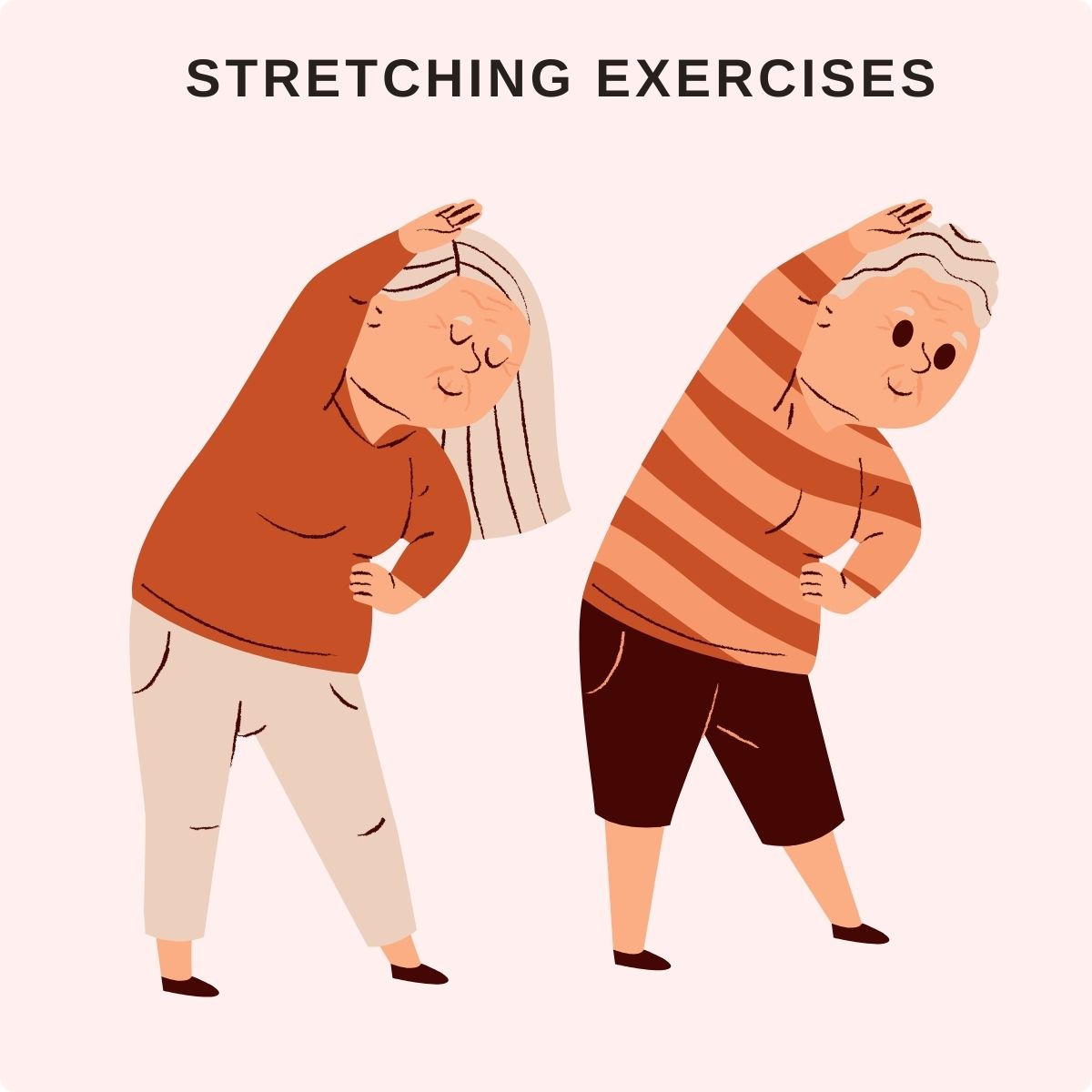
Stretching Exercises:

In the pursuit of comprehensive well-being, the often-overlooked practice of stretching exercises plays a pivotal role for seniors and individuals managing Parkinson’s disease. Beyond enhancing flexibility, these exercises contribute to improved joint health, increased range of motion, and a heightened sense of physical comfort.

Emphasize gentle, gradual stretches, especially for seniors or those with limited mobility. Focus on major muscle groups such as the neck, shoulders, back, and legs. Incorporate both static and dynamic stretching techniques for a well-rounded approach.  Individualized stretching routines are key. Consider specific needs, such as addressing areas of discomfort or focusing on enhancing flexibility in particular joints. Seek guidance from healthcare professionals for personalized recommendations.

Stretching exercises offer a gateway to improved flexibility, joint health, and overall physical comfort for seniors and those with Parkinson’s disease.  Incorporating this daily routine for Parkinson Disease makes a dramatic change into the overall outcome of the disorder.

#FlexibilityRoutine #StretchingForSeniors #ParkinsonsWellness

Engaging Activities: 

In the pursuit of holistic well-being, engaging activities, such as gardening and participating in small chores, emerge as invaluable tools for seniors and individuals navigating Parkinson’s disease. Beyond providing a sense of purpose, these activities contribute to physical activity, mental stimulation, and an overall enhancement of daily life.

Gardening is a multifaceted activity that not only encourages physical movement but also provides exposure to nature, promoting mental well-being. Planting, weeding, and tending to a garden offer low-impact exercises that contribute to overall mobility.

Participating in everyday chores, even on a smaller scale, can be a form of functional exercise. Folding laundry, light cleaning, or organizing spaces contribute to physical activity and help maintain motor skills.

The goal is to create activities that are enjoyable, achievable, and aligned with personal interests.  or seniors and individuals with Parkinson’s, these activities infuse daily life with purpose, physical activity, and mental stimulation. By embracing active joy, individuals can cultivate a fulfilling and vibrant daily routine.

#EngagingActivities #ActiveLiving #ParkinsonsWellness # Daily Routine for Parkinson Disease

Social Activities:

In the realm of holistic well-being, the value of social activities and group events cannot be overstated for seniors and individuals managing Parkinson’s disease. Beyond mere socialization, these activities foster a sense of belonging, emotional support, and contribute to an enriched quality of life.  Engaging in group events provides a structured avenue to combat loneliness, fostering connections and meaningful relationships.  Sharing experiences, laughter, and camaraderie during group events create a positive atmosphere that helps alleviate stress and boost mood.  Engaging in conversations, playing games, or participating in group activities can help maintain mental sharpness, benefiting both seniors and individuals with Parkinson’s.

Group events offer a platform to celebrate milestones, whether personal or collective. Recognizing achievements, birthdays, or special occasions within a supportive community enhances a sense of joy and accomplishment.  Incorporating intergenerational activities can be especially enriching. Seniors and Parkinson’s patients benefit from the energy and perspectives of younger generations, creating a dynamic and inclusive social environment.

Social activities and group events are not mere pastimes—they are essential threads in the fabric of well-being. For seniors and individuals with Parkinson’s, these activities weave a tapestry of connection, support, and joy. By actively participating in social events, individuals can foster a community that uplifts and enhances the overall quality of life.

#SocialWellness #CommunityConnection #ParkinsonsSupport # Daily Routine for Parkinson Disease

To reap the full spectrum of benefits, strive to dedicate at least 30 minutes to each event, engaging in activities at least three days a week. This commitment ensures a consistent and impactful embrace of social well-being, promoting a fulfilling and vibrant lifestyle. By weaving the tapestry of connection and shared moments, we cultivate resilience, joy, and a community that uplifts us on this journey of well-being – Incorporate a healthy daily routine for Parkinson disease.

#SocialWellness #CommunityConnection #ParkinsonsSupport

READ MORE

Falls Prevention in Elderly: Tips and Home-Based Therapies

The video is a recorded version of fall prevention in Elderly – covering important aspects on causes, Risks and simple home based modifications / exercises for falls prevention in elderly and Parkinson’s disease people.

? Key Topics Covered:

Importance of Falls Avoidance:

Uncover the significance of preventing falls and its impact on overall well-being. Gain insights into how proactive measures can enhance the quality of life for individuals with Parkinson’s disease.

Common Causes of Falls:

Explore the various factors contributing to falls, from medical conditions to environmental hazards. Understanding these triggers is the first step towards effective prevention.

Fall Prevention Strategies:

Learn evidence-based strategies and practical tips to minimize the risk of falls. Discover how targeted exercises and lifestyle adjustments can significantly enhance stability and mobility.

Home-Based Modifications:

Dive into the importance of creating a safe living environment. Explore practical modifications that can be made at home to reduce fall risks and enhance overall safety.

Home-Based Therapy for Falls Prevention:

Unveil the power of physiotherapy in the comfort of your home. Discover tailored exercises and therapeutic approaches that empower individuals to maintain balance and prevent falls.
READ MORE
Allan BorderAwareness

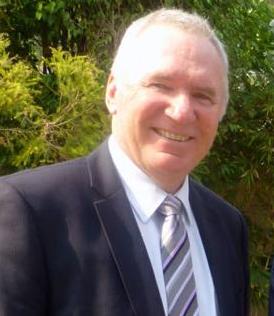
Australian Cricket Legend Allan Border Opens Up About His Battle with Parkinson’s Disease

Allan Border, the former Australian cricket captain, has revealed that he has been battling Parkinson’s disease for the past seven years. Parkinson’s is a progressive disorder of the nervous system that affects movement and causes unintended or uncontrollable movements. Border was diagnosed with the disease in 2016 but chose to keep it private until now. Parkinson’s is an neurodegenrative / Ageing disease that causes progressive brain damage, with common symptoms of loss of muscle control, tremors, muscle rigidity, and slowness of movement. Border said that he will continue to fight the disease and that he is not scared about the immediate future. Border played 156 Tests between 1979 and 1994 – 93 of them as captain – and was the first batter to score 11,000 runs, finishing with 11,174. He also led Australia to victory in the 1987 World Cup and ended up playing 273 ODIs. Since retiring, he has served as an Australian selector and been a broadcast commentator.

Here are the top 5 questions on Parkinson’s Disease being queried on Google search and their answers:


  1. What is Parkinson’s disease (PD)?

– Parkinson’s disease is a progressive neurological disorder or disorder of the brain. It affects men slightly more than women and Caucasians more than people of color. The cause of PD is still not clearly understood, with theories including genetic, environmental, and viral factors.


  1. What are the symptoms of Parkinson’s disease?

– The most common symptoms of Parkinson’s disease include tremor at rest, rigidity (stiffness), bradykinesia (slowness of movement), and postural instability (lack of balance). Individuals with PD may also experience difficulty walking, reduced facial expressions, small handwriting, soft and muffled speech, constipation, sleep disturbances, depression, anxiety, memory problems, difficulty swallowing, and reduced armswing.


  1. How does Parkinson’s disease begin?

– The characteristic brain pathology and motor symptoms of Parkinson’s disease are well established, but the details of the disease’s cause and course are much murkier. Many scientists are searching for blood- or urine-based biomarkers, or imaging agents, that could objectively identify the risk of Parkinson’s, but so far no leading contender has emerged.


  1. What other specialists or healthcare professionals should help me manage my care?

– It is important to ask about the other health professionals who can help manage Parkinson’s disease. This may include physical therapists, occupational therapists, speech therapists, and social workers, among others[.


  1. Besides taking medications, what else can I do to manage my Parkinson’s disease? Are there specific therapies, exercises, or lifestyle changes that can help?

– In addition to medications, there are specific therapies, exercises, and lifestyle changes that can help manage Parkinson’s disease. These may include physical therapy, speech therapy, occupational therapy, and regular exercise, among other strategies.

These questions cover a range of important topics related to Parkinson’s disease, from understanding the condition and its symptoms to managing care and seeking additional support from healthcare professionals.

Citations:

[1] https://www.foxsports.com.au/cricket/australian-cricket-legend-allan-border-has-parkinsons-disease/news-story/c96d056bd549403184ec81a1ac66d72f

[2] https://youtube.com/watch?v=o51v2az8mgo

[3] https://www.smh.com.au/sport/cricket/allan-border-reveals-he-has-parkinsons-disease-20230630-p5dky9.html

[4] https://apnews.com/article/allan-border-cricket-ad78339b79c704dfb315b10100aba538

[5] https://www.espncricinfo.com/story/allan-border-reveals-he-has-parkinsons-disease-1385094

[6] https://www.movementdisordersclinic.com/

[7] https://www.apdaparkinson.org/article/common-questions-from-caregivers/

[8] https://www.nature.com/articles/538S17a

[9] https://www.parkinson.org/library/fact-sheets/questions-doctor-visit

READ MORE
Progressive Supranuclear Palsy - PSPAwareness

Lets Learn About Progressive Supranuclear Palsy (PSP)

Progressive Supranuclear Palsy - PSP

Progressive Supranuclear Palsy (PSP)

On October 19-20, 2023, a significant global event brought together leading specialists to address the pressing issues surrounding Progressive supranuclear palsy (PSP) in London, UK

Progressive supranuclear palsy (PSP) is a rare and complex neurodegenerative disorder.

Here are 10 important things to know about PSP:

  1. Rare Condition: PSP is a relatively uncommon condition, affecting approximately 5-6 people per 100,000 in the population.
  2. Onset and Age: It typically affects individuals in their 60s or 70s, but early-onset PSP can occur in individuals in their 40s or 50s.
  3. Motor Symptoms: PSP is characterized by motor difficulties, including stiffness, slowness of movement, and frequent falls. This can make it resemble Parkinson’s disease, but PSP has distinct features.
  4. Eye Movement Problems: One of the hallmark features of PSP is difficulty controlling eye movements, leading to issues with looking up and down. This can cause falls and difficulty with balance.
  5. Cognitive Changes: Individuals with PSP may experience cognitive changes, such as difficulties with memory, decision-making, and problem-solving. However, these changes are usually less severe than those seen in Alzheimer’s disease.
  6. Behavioral and Emotional Changes: PSP can lead to changes in behavior and emotions, including irritability, apathy, and mood swings.
  7. Speech and Swallowing Issues: Speech problems, such as slurred speech, and difficulties with swallowing are common in PSP.
  8. No Cure: Currently, there is no cure for PSP. Treatment primarily focuses on managing symptoms and improving the patient’s quality of life.
  9. Abnormal Brain Protein: PSP is associated with the buildup of an abnormal protein called tau in specific areas of the brain. This protein accumulation is a key feature in diagnosing the condition.
  10. Diagnosis Challenges: Diagnosing PSP can be challenging because its symptoms overlap with other neurological disorders, like Parkinson’s disease. A definitive diagnosis often requires a combination of clinical evaluation, medical history, and specific neurological tests.

Supportive Care: PSP patients benefit from a multidisciplinary approach involving neurologists, physical therapists, occupational therapists, and speech therapists. Supportive care and therapy focus on symptom management and maintaining the patient’s quality of life. CurePSP and PSPA (Progressive Supranuclear Palsy Association) are two organizations dedicated to supporting individuals and families affected by Progressive supranuclear palsy (PSP) and related disorders

It’s important to note that PSP is a progressive and challenging condition that can significantly impact a person’s quality of life. Raising awareness and understanding of the disease is crucial for providing better care and support for individuals living with PSP and their families.

www.movementdisordersclinic.com

Bangalore, India

Appointments : +91 7026603300

Join our Whatsapp Channel for similar information:  https://whatsapp.com/channel/0029Va53s2N3bbVCdsUkKz2n

READ MORE
Stigma of Parkinson diseaseAwareness

Stigma in Parkinson Disease : How to overcome it

Stigma of Parkinson disease

What is Stigma in Parkinson Disease? What are the types of Stigma?

Stigma in Parkinson’s disease, like many other chronic medical conditions, is a significant challenge that individuals with the condition and their families face. Stigma can be broadly categorized into seven types, as defined by Link and Phelan in their influential work on the subject. These seven types can help us understand how Parkinson’s disease is stigmatized and the impact it has on those affected.

Public Stigma: This type of stigma involves the negative beliefs, attitudes, and stereotypes held by society at large towards people with Parkinson’s disease. These attitudes can manifest as fear, misunderstanding, or avoidance. Public stigma can make it difficult for individuals with Parkinson’s disease to socialize or access the support they need.

Self-Stigma: Self-stigma refers to the internalization of the negative stereotypes and beliefs that society holds about Parkinson’s disease. People with Parkinson’s may start to believe these stereotypes and feel ashamed or inferior, which can lead to a decrease in self-esteem and overall well-being.

Structural Stigma: Structural stigma pertains to societal and institutional practices that discriminate against or disadvantage people with Parkinson’s disease. This can manifest in healthcare disparities, limited access to quality care, or difficulties in obtaining insurance coverage for treatment and support services.

Affiliated Stigma: Parkinson’s disease doesn’t just affect the individual diagnosed; it also has an impact on their family and caregivers. Affiliated stigma involves the negative attitudes and discrimination experienced by the family members and friends of someone with Parkinson’s. They may face judgment or feel isolated, which can strain their relationships and well-being.

Courtesy Stigma: Individuals who care for or interact with people living with Parkinson’s disease can also face courtesy stigma. This occurs when people are treated unfairly or with disrespect because of their association with someone who has the condition. Healthcare providers, for instance, may experience this form of stigma.

Label Avoidance: Label avoidance stigma refers to individuals’ reluctance to be identified as having Parkinson’s disease due to the negative consequences they anticipate, such as potential discrimination or social rejection. This can lead to people avoiding diagnosis and treatment, which may result in delayed intervention and poorer outcomes.

Perceived Stigma: Perceived stigma is the fear or anticipation of experiencing stigma based on one’s condition. People with Parkinson’s may anticipate discrimination or negative reactions from others, which can lead to anxiety, depression, or reluctance to seek social support.

Addressing stigma in Parkinson’s disease is crucial to improving the lives of those affected. This can be accomplished through a combination of education, awareness campaigns, and policy changes. Increased public understanding and empathy can help reduce public stigma, while empowering individuals with Parkinson’s to share their stories and experiences can combat self-stigma. Moreover, healthcare systems and institutions should work to reduce structural stigma and ensure equitable access to care.

In conclusion, understanding the seven types of stigma in Parkinson’s disease provides a comprehensive framework for addressing the complex challenges faced by individuals with the condition and their loved ones. By actively working to reduce these stigmas, we can create a more inclusive and supportive environment for those living with Parkinson’s disease.

How to overcome Parkinson Disease Stigma?

Stigma in Parkinson

Reducing stigma in Parkinson disease is essential to improving the quality of life for individuals affected by the condition. Stigma can have a profound impact on mental health, social relationships, and access to healthcare. Here are some strategies and approaches to reduce stigma in Parkinson’s disease:

A. Education and Awareness:

Public education campaigns: Conduct public awareness campaigns to provide accurate information about Parkinson’s disease. These campaigns can dispel myths and stereotypes, helping to increase understanding and empathy.
Schools and communities: Introduce educational programs about Parkinson’s disease in schools and local communities. Promoting understanding from a young age can foster a more accepting society.
Media and Representation:

Encourage accurate portrayal: Work with media outlets to ensure that depictions of Parkinson’s in movies, television, and news are accurate and respectful. Avoid sensationalizing the condition or using it for comedic effect.
Highlight positive stories: Share stories of individuals with Parkinson’s who have achieved remarkable accomplishments, demonstrating that the condition doesn’t define their entire life.

B. Open Dialogue:

Support groups: Create and promote support groups where people with Parkinson’s, their caregivers, and family members can share their experiences, challenges, and triumphs. Open dialogue can reduce self-stigma and affiliated stigma.
Personal testimonials: Encourage individuals with Parkinson’s to share their personal stories, either in person or through written or online platforms. Personal narratives can be powerful tools for challenging stereotypes.
Healthcare and Policy:

Equal access to care: Advocate for policies that ensure equitable access to healthcare services, including specialist care, therapies, and medications. Reducing structural stigma in the healthcare system is crucial.
Training for healthcare professionals: Offer training to healthcare providers to help them understand the physical and emotional challenges faced by people with Parkinson’s. This can improve patient-provider relationships and reduce courtesy stigma.

C. Language Matters:

Use person-first language: Encourage the use of person-first language, where the person is emphasized over the condition. Instead of saying “a Parkinson’s patient,” say “a person living with Parkinson’s.”
Avoid derogatory terms: Educate people about the importance of avoiding derogatory or insensitive language that perpetuates stereotypes.

D. Empower Advocacy:

Support advocacy organizations: Join or support organizations that advocate for the rights and well-being of people with Parkinson’s. These organizations often have the resources and platforms to combat stigma effectively.
Political engagement: Engage with policymakers to promote legislation that protects the rights and dignity of individuals living with Parkinson’s disease.
Mental Health Support:

Address the emotional impact: Acknowledge the emotional and psychological challenges associated with Parkinson’s and provide access to mental health support and resources. This can help individuals cope with self-stigma and perceived stigma.

E. Promote Inclusivity:

Encourage social inclusion: Promote social activities and events that are accessible and welcoming to people with Parkinson’s. Inclusive environments help reduce perceived stigma and encourage participation.

Celebrate Achievements:

Recognize achievements: Highlight the accomplishments of individuals living with Parkinson’s, showcasing their resilience and contributions to society.
Reducing stigma in Parkinson’s disease is an ongoing process that involves the collective efforts of individuals, healthcare providers, policymakers, and communities. By fostering understanding and empathy, dispelling misconceptions, and promoting inclusivity, we can create a more accepting and supportive environment for those living with Parkinson’s disease and work towards reducing the stigma in Parkinson disease.

READ MORE
Awareness

World Movement Disorders Day

World Movement Disorders Day

Do you know what is “Movement Disorders”?  Or Do you know what are the disorders treated by an “Movement Disorders Specialists”?.  Some of us have heard about the name “Parkinson’s Disease”, but do you know who named this disorder as “Parkinson’s Disease”?  To answer these questions and create awareness about Movement Disorders, the “International Parkinson’s and Movement Disorders Society” has initiated November 29th  as “World Movement Disorders Day”.  This year (2022) would be first world Movement Disorder’s Day and would be a platform to create awareness about Movement Disorders Globally. 

Movement Disorders are a group of brain disorders, which leads to either abnormally excess or slowness of body movements and not related to any other body system involvement.  For example unable to move leg due to a ‘Fracture’ is NOT an Movement Disorders, however, unable to easily move the same leg due to dysfunction in brain (more specifically basal ganglia) leading to “Parkinson’s Disease” is an “Movement Disorder”.   The movement disorders are specific set of diseases which occur due to dysfunction in certain deep brain structures, called as Basal Ganglia and its various connections.  The common symptoms of dysfunction of this part of brain causes – generalized slowness (Parkinsonism), shaking of body parts (tremors), imbalance sensation (ataxia /drunkard walking), tendency to fall, abnormal posturing of body parts (dystonia), unwanted excessive movements of different body parts (chorea, ballism,)  etc.  These symptoms can occur individually or can occur in various combinations, based upon which different disease names are suggested like, Parkinson’s Disease, Huntington’s Disease, Progressive Supranuclear Palsy (PSP), Wilson’s disease, Spinocerebellar ataxia etc.  These disorders can occur due to various underlying causes varying from infections of brain, body metabolic changes (like high or low blood sugars), medication related side effects, allergic disease of brain (autoimmune diseases), tumors of the brain, stroke like events, genetic abnormalities and due to normal ageing process.  The underlying cause decides the treatment and outcome of these treatment.  For example, a person developing symptoms of Parkinsonism (Slowness, stiffness, tremors, walking changes) due to metabolic / acute drug related reaction can be completely cured with treating the metabolic changes or stopping the offending medication.  However, development of Parkinsonism secondary to ageing / genetic process – Parkinson’s disease can be well managed with treatment similar to blood pressure and diabetes.  Given that these disorders are due to changes in the brain, these disorders are managed by Neurologist who is further specialized in this field, and they are called as “Movement Disorders Specialists”. 

Jean-Martin Charcot

The International Parkinson and Movement Disorders Society has chosen 29th November to be as World Movement Disorders Day to commemorate with birth anniversary of Prof. Jean-Martin Charcot (1825 – 1893).  Prof. Jean-Martin Charcot was French Neurologist, born on 29th November 1825 in Paris.   He has been referred as the ‘Father of French Neurology and one of the World’s Pioneers of Neurology’.  He established Neurology clinic at the famous Salpetriere hospital in Paris, which was first of its kind then.  His contributions are tremendous across the field of Medicine but much more to Neurology.  His interests included hysteria and hypnotism.   Dr. Charcot has various diseases / conditions / anatomical parts named after him (e.g: Charcot’s Artery, Charcot’s Joint, Charcot -Marie-Tooth Disease, Charcot’s Triad of Multiple Sclerosis etc).  James Parkinson’s essay – “The Shaking Palsy”, which was written in 1817, was well recognized during the tenure of Charcot and was being known by the name of “Paralysis agitans”.  Charcot lauded James Parkinson’s extensive descriptions and suggested that the disorder be named after him – “Parkinson’ Disease”.  Hence, the term “Parkinson’s disease” came to existence in in later part of 19th century, due to Charcot’s recognition (la maladie de Parkinson).  His extra ordinary contributions to field of Neurology and Movement disorders, has made International Parkinson and Movement Disorders Society to initiate World Movement Disorders Day to create awareness for all the movement disorders, albeit some of the major movement disorders have their own awareness days (e.g: April 11th – World Parkinson’s Disease Awareness day).  

Speciality Clinic based movement disorders epidemiology, published in Annals of Indian Academy of Neurology

The Field of Movement disorders has been growing in India since the 2000’s and India has now its own movement disorders specialist’s society called as ‘Movement Disorders Society of India’, started in 2014.  The number of movement disorders cases are on steady increase in India and the World Health Organization, has predicted a tremendous increase in Parkinson’s disease and other ageing disorders across India over the next decades.  There is clear lack of systematic epidemiological studies to understand the prevalence of various movement disorders in India.  Dr. Prashanth LK, Consultant Parkinson’s disease and Movement Disorders Specialist from Bangalore has worked with two other specialty Movement Disorders Clinic located in Mumbai and Kolkata to discuss the burden of movement disorders in India.  In these specialized private movement disorders clinics, it has been noted that Parkinsonism disorders contributed to almost 2/3rd of the various diseases seen, which is followed by dystonic disorders (15%), and tremors (8%). The group also comment that among the Parkinsonian disorders, a trend of increase in atypical parkinsonism disorders are being on the raise and contributed to about 22% of the cohort.  Given the variability of these disorders, and India needs to have its own research which can address these concerns.  Some of the movement disorders are almost exclusive to India like the Spinocerebellar ataxia type-12 (also known as Aggarwal disease, as it is predominantly limited to this community) or some of the diseases are predominantly more here (like the Wilson’s disease, much more common in southern India due to increased consanguinity).  To address these things awareness and support for research is required from all the stake holders.  The Movement Disorders Specialists of India have formed consortium to address these specific issues and are trying to collaborate with other basic sciences fields to get in-house answers for problems which are exclusive for Indian community – Parkinson Research Alliance of India.   In this context major pan India collaborative studies are going on diseases like Young Onset Parkinson’s Disease, Progressive Supranuclear Palsy with collaboration from Indian and International working groups.   On the occasion of this first World Movement Disorders Awareness Day, lets spread the awareness of various movement disorders in India and need to encourage co-operative works with clinicians, scientists, philanthropists and patients to find answers to many of these rare and well known disorders.      

Table :  List of Few Common Movement Disorders and there understanding in simple English:

Disease / Symptom name Simple English interpretation
Parkinson’s DiseaseSomeone who is have a combination of slowness of body movement, stiffness of body, shaking/ tremors of hands and walking changes
DystoniaExcess abnormal involuntary muscle contraction leading to posturing of the affected body parts (like neck = cervical dystonia, writing = writers cramp, jaw = jaw dystonia)
TremorsAbnormal rhythmic shaking of a body part (hand = hand tremors, head = head tremors etc)
Huntington’s DiseaseSomeone have abnormally excessive, body movements, which are variable in intensity and duration.  These people may also have behavioral / memory issues.
BlepharospasmExcessive eye blinking and sometimes leading to closure of eyes
Hemifacial spasmAbnormal intermittent facial contractions
AtaxiaImbalance while walking (drunkard type walking)
Restless Leg SyndromeAbnormal sensation of legs, especially during late evening / night, which improves/ reduced by walking around.
TicAbnormal repetitive body movements, which are due to satisfy once urge to do it (e.g, shoulder shrugging, jerking movements of head while speaking etc)
Progressive supranuclear palsySomeone who is having symptoms of Parkinson’s disease, but also has significant balance issue leading to fall (especially backwards)
  
READ MORE
Awareness

A Sneak Peak into Gastrointestinal (GUT) Conundrum of Parkinson Disease

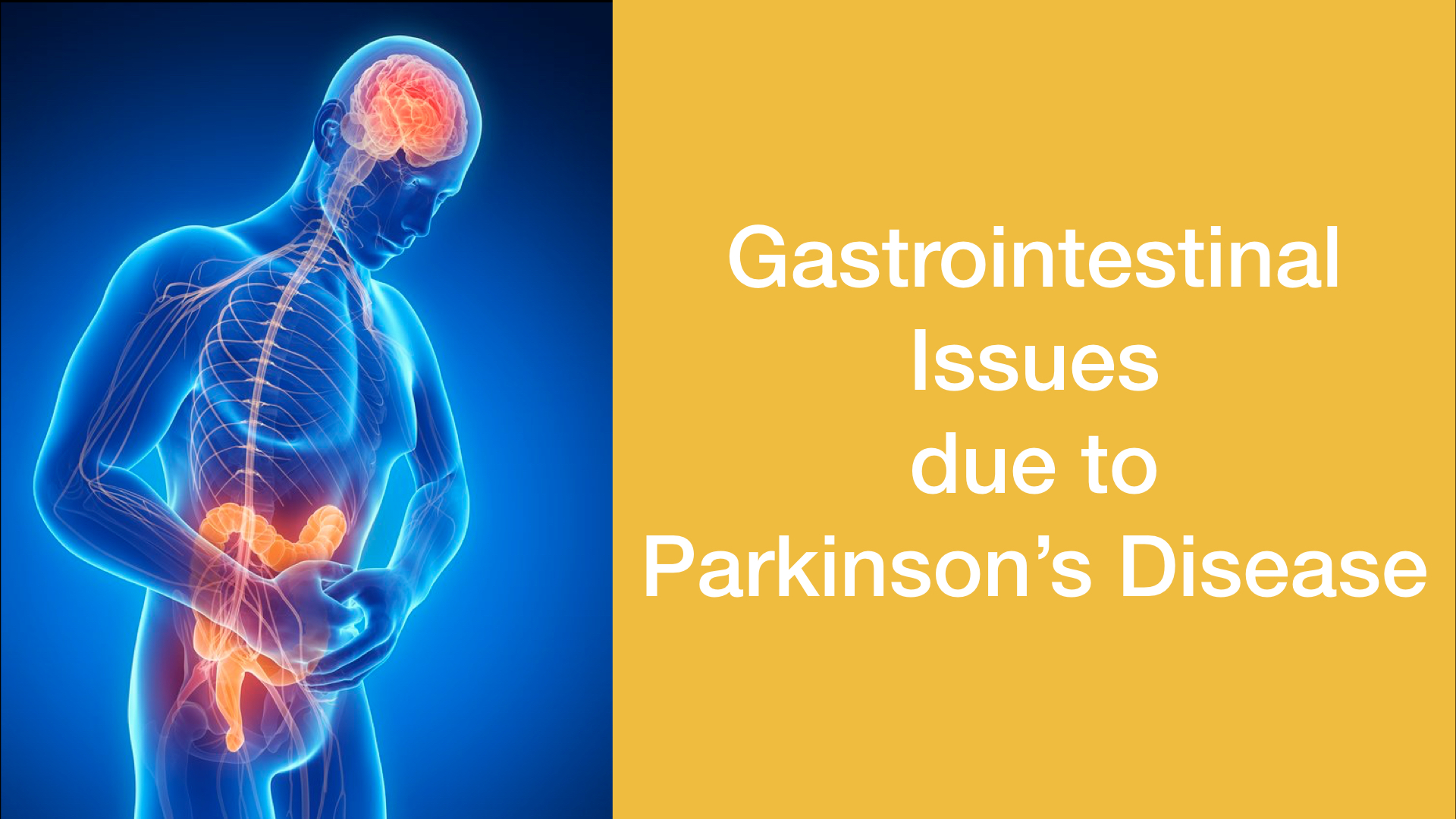
The understanding of Parkinson’s disease has been dramatically changing over the years. The gastrointestinal symptoms of Parkinson disease are well recognized and keeps on adding up to the number of symptoms of Non Motor Symptoms (NMS). Even further the question of whether Parkinson’s disease arises from Gut perse has become a promienent question among the scientists across the world. The has given raise to concept of GUT-BRAIN axis and further postulation of Gut first and Brain first theories. In this blog, we are trying to highlight the awareness about various gastrointestinal symptoms noted in patient with Parkinson’s disease.

The Gastrointestinal symptoms in Parkinson disease is one of the common NMS in PD, even early in the disease course. Several factors such as loss of dopaminergic activity, presence of Lewy bodies, gut exposure to neurotoxins, gut dysbiosis, cytokine-induced toxicity, inflammation-derived oxidative damage and aging have been associated with the pathogenesis and progression of PD although robust evidence is lacking.

Gastrointestinal Symptoms of in Parkinson Disease

The symptoms of Gut in Parkinson’s disease can be noted all the way from the mouth and salivary glands. the following list helps to understand the possible symptoms which could be associated with Parkinson’s disease.

Salivary Glands symptoms

  • Reduced Saliva Production
  • Low swallowing frequency leading to drooling

Mouth related symptoms

  • Pooling of saliva and problems with movements needed to brush teeth can cause dental dysfunction
  • Jaw tremors related discomfort

Pharynx related symptoms

  • Oropharyngeal dysphagia increases risk of aspiration

Oesohagus related symptoms

  • Slow esophageal transit
  • Segmental esophageal spasm
  • Spontaneous contractions of proximal esophagus
  • Air trapping
  • Aperistalsis
  • Gastro-esophageal influx

Stomach symptoms

  • Impaired gastric emptying causes nausea
  • Bloating
  • Early satiety and weight loss

Small Intestine symptoms

  • Dilatation leading to bloating sensation

Colon symptoms

  • Colonic dysmotility
  • Constipation
  • Megacolon
  • Volvulus
  • Bowel perforation

Rectum symptoms

  • Anorectal dysfunction leads to difficulty with defecation

Management of Gastrointestinal symptoms in Parkinson disease

There are various symptomatic options for various GI related symptoms. The same has been highlighted in this article image.

READ MORE

Elephant in the Room – Astonishing Parkinson’s disease Beyond Tremors

The Elephant in the Room art by Banksy at Barely legal exhibition in 2006

The expression “Elephant in the room” is an metaphorical idiom used to describe something which everyone knows, but no one wants to mention or discuss it for various reasons. The above image is a part of “controversial art” by famous British artist Banksy. This art named “Elephant in the room” was featured as a part of US exhibition – “Barely legal” in 2006. It had it’s own set of controversies. However, the primary objective of this art was to highlight that billions of people lived below the poverty line. This art perse was a metaphor to speaking about elephant in the room and controversies there off.

Parkinson’s Disease is well known disorder where in people know issues about tremors, slowness, stiffness and walking related issues. However, there are many more other issues, which is well know to the patients, caregivers, and doctors, but most of the time, these symptoms are either brushed under the carpet or not enquired upon at consultation. Currently these features are becoming more important in the management of Parkinson’s Disease and more efforts are being put into the assessment and treatment of these issues. These are broadly classified under the category of Non Motor Symptoms (NMS) under the management of Parkinson’s Disease. However, these for all of us is the Elephant in the room which needs to be more outspoken and appropriate management needs to be done.

The International Parkinson Disease and Movement disorders society (IPMDS), has come up with exclusive scales on non motor symptoms to address this concern of elephant in the room.

“Elephant in the Room” – Parkinson’s Disease

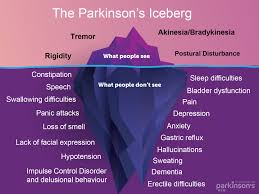
The Motor and the Non Motor symptoms of Parkinson’s disease.
Image source: Parkinsonnsw

There are various symptoms which qualify for elephant in the room for Parkinson’s disease and prominent among them are

  • Mood : All Parkinson’s disease patients might have some form of mood/behavioral changes, which is mostly under reported and only symptoms which become much bothersome are spoken about. Depression is one of the well know and needs to be tackled properly.
  • Sleep : Sleep disturbances are common and sometimes predate the onset of motor symptoms by many years. These symptoms might include vivid dreams, nightmares, shouting/yelling/enacting in dreams (aka RBD), restless leg syndrome (RLS).
  • Bladder issues : Urinary urgency, increased frequency, night time increased urinary frequency/volume are common bladder issues noted.
  • Constipation : Constipation is probably one of well accepted and acknowledged symptom, which is noted well before the onset of motor symptoms
  • Sexual dysfunction : Probably this is one of the least discussed non motor symptom, and mostly not addressed. The issue has to be discussed promptly by the patient or the doctor as its fairly treatable symptom
  • Excessive sweating / drooling / skin oilyness : These changes are noted in patients with Parkinson’s disease and skin changes can be noted.
  • Postural dizziness / fatigue : Patients with Parkinson’s disease tend to have

In the subsequent weeks, we will try to bring out exclusive write ups, including their symptoms, management, both on video and web write up. Effort will be put to get Kannada language audio/video files for the patients and care givers. Keep a lookout on the facebook page and youtube channel.

READ MORE
Awareness

European Academy of Neurology Interview with Dr. Prashanth LK on COVID19 Impact

Prashanth

Prof. Elena Moro, Secretary General of European Academy of Neurology, had interview with Dr. Prashanth LK on COVID19 and its impact on medical practice at ground level. This is published in the the European Academy of Neurology (www.ean.org) EAN pages section

Brief excerpt of the interview with Dr. Prashanth LK is below and the rest can be accessed at the EAN Pages section (https://www.eanpages.org/2020/11/01/covid19-around-the-world-clinician-interviews-on-experience-and-impact-of-the-virus/).

1.     How has COVID19 and national measures to control it affected routine and emergency neurology service delivery in your country? How have you adapted to deal with the impact?

     The speed and rampage of COVID19 pandemic have paralysed every country in 2020.  No matter what, the amount of measures taken at every level, appears to be miniscule in front of its wrath.  The neurology community across India was gearing up for the COVID19 breakout but, the impact of COVID19 was beyond anyone’s perception until it hit upon us. The Annals of Indian Academy of Neurology (Official journal of Indian Academy of Neurology), came up with a special supplement of COVID-19 in early April 2020, which addressed various issues in relation to management of COVID-19 and neurological disorders.  The special issue included consensus statements on management of various neurological disorders and care related points.   At ground level in routine neurology care the scene was dramatically changing minute by minute.  The emergency departments were filling up with COVID19 patients and it appeared as if all the neurological emergencies have ‘vanished’ – which ended up being like a calmness of ‘eye of the hurricane’, before it hit us.  The pattern and ‘ease’ of neurological practice has significantly changed with masks, face shields, personal protective equipment (PPE) kits and whole attire changing from a formal dressing to “Scrub suit” / “PPE suits” taking the forefront.  This has definitely drained down a significant energy and amount of work output, but it appears like this will become a new norm for near future.  Another interesting change has been the raise in tele consults / video consults.  The medical practicing laws were quickly amended to accommodate the requirement of telemedicine.  COVID19 has been a blessing in disguise for the telemedicine and this has become a main stay for most of the stable follow-up patients, albeit everyone does miss the personal/social touch with in-person consults.      

2.     Have you seen many people whom you were concerned had neurological complications of COVID19 infection? What are the most common neurological manifestations of COVID19 in your region?

COVID19 pandemic has made every speciality to gear up for its care.  Most of us are working in regular COVID19 care which caters beyond neurological issues.  The neurological manifestations of COVID19, which I have seen can be considered as those primarily related to COVID-19 infection, secondly to worsening of pre-existing neurological disorders due to COVID19 and finally those due to psychological effects of COVID19 breakout.  The core neurological issues related to COVID19 included primarily thrombotic events in the form of acute ischemic events, cerebral venous sinus thrombosis in people, in whom no other risk / aetiologies could be pointed out.  In addition, encephalitis / encephalopathy presentations were also seen in patients with COVID19.  Many patients with severe COVID19 infections were reviewed for neurological consults and considered to have encephalopathies secondary to systemic COVID19 infection.  The second set of problems was people with pre-existing neurological disorders like myasthenia gravis, multiple sclerosis, parkinsonism coming with acute worsening on a background of COVID19 infections.  The third set of people were those who were not directly infected with COVID19, but with trauma of separation, quarantine, fear of not able to reach out to their doctors, limitation of social life leading to worsening of neurological symptoms especially with those of Parkinsonism disorders and dementia. 

3.     What are your main concerns for the future in regard to COVID19? What do you think are the key measures and contingency plans necessary to ensure high quality care for people living with neurological diseases during this pandemic?  (read further)

READ MORE

Parkinson’s Disease challenge and advise collage from Doctors across India

https://youtu.be/F3XH503h9I0

#PDchallenge was initiated on July 22nd 2020 on the occasion of World Brain Day to create awareness about Parkinson’s Disease. The challenge included, showing various activities with a theme to win over Parkinson’s Disease. It included videos of patients, caregivers, friends, relatives, movement disorder specialists, neurologists, neurosurgeons, therapists, researchers from across the globe.

The following collage video shows the various Movement Disorders specialists, Neurologists, Neurosurgeons, researchers taking part in the #PDchallenge, released on August 15, 2020. This matches with the essence of ‘Mile Sur Mera Tumhara‘ theme of Unity in diversity theme song launched on August 15th 1988.

READ MORE