Awareness

History of Wilson’s Disease: How S.A.K. Wilson’s Discovery Transformed Movement Disorders

History of Wilson’s Disease: How S.A.K. Wilson’s Discovery Transformed Movement Disorders

From a fatal childhood mystery to a treatable genetic disorder – and the birth of movement disorders neurology.
By Dr. Prashanth LK · Parkinson’s Disease & Movement Disorders Clinic, Bangalore
Reading time: ~10 minutes

Samuel Alexander Kinnier Wilson (born 6 December 1878), whose work on “progressive lenticular degeneration” reshaped neurology.
At the start of the 20th century, neurology understood paralysis, stroke, and epilepsy. But patients with tremor, twisting postures, drooling, and emotional outbursts were medically homeless. Their illnesses had no clear name, no anatomic map, and certainly no effective treatment.That changed with a young neurologist born on 6 December 1878Samuel Alexander Kinnier Wilson. His work would not only define a new disease, now known as Wilson’s disease, but also give birth to the concept of the extrapyramidal system and eventually to a whole subspecialty: Movement Disorders.

“With a single, monumental paper in 1912, Kinnier Wilson showed the world that tremor, rigidity, and dystonia came from hidden motor circuits deep within the brain.”

Before Wilson: When Tremor Had No Map

In the early 1900s, doctors could localise weakness to the pyramidal tract, explain seizures as cortical storms, and recognise classical strokes. But they struggled to understand patients who:

  • Shook violently without weakness,
  • Developed bizarre grimacing and drooling,
  • Lost their speech, yet understood everything,
  • Showed behaviour changes and emotional lability,
  • And died young, often within the same family.

These patients were variously labelled as hysterical, degenerative, or simply “incurable.” The idea that deep brain circuits could generate complex abnormal movements – without paralysis – did not yet exist.

The 1912 Breakthrough: Progressive Lenticular Degeneration

In 1912, working at the National Hospital, Queen Square in London, Kinnier Wilson published a 214-page tour de force in the journal Brain titled:

“Progressive lenticular degeneration: a familial nervous disease associated with cirrhosis of the liver.”

He meticulously described four young patients, from overlapping families, who developed:

  • Generalised tremor and rigidity,
  • Severe dysarthria, drooling, and swallowing difficulty,
  • Abnormal postures and contractures,
  • Emotionalism and subtle mental changes,
  • And, at autopsy, silent but advanced cirrhosis of the liver.

At post-mortem, he found striking bilateral degeneration of the lenticular nucleus, part of what we now recognise as the basal ganglia. For the first time, a disease was shown to selectively attack deep motor circuits, producing profound movement abnormalities without primary pyramidal weakness.

“Progressive lenticular degeneration… is essentially and chiefly a disease of the extrapyramidal motor system.” – S.A.K. Wilson, 1912

Birth of the Extrapyramidal System

Wilson’s observations forced neurology to redraw its motor map. Until then, movement was largely equated with the corticospinal (pyramidal) system. Everything else – tremor, rigidity, dystonia, chorea – sat in an uncomfortable grey zone.

By carefully correlating clinical signs with lenticular pathology, Wilson argued that there must be:

  • A parallel motor network outside the pyramidal tract,
  • Responsible for tone, posture, and automatic movements,
  • Capable of producing abnormal movements without paralysis.

Thus emerged the concept of the extrapyramidal system. Over subsequent decades, this idea became the organising framework for conditions such as Parkinson’s disease, Huntington’s disease, dystonia, and tics – and laid the intellectual foundation for today’s movement disorders neurology.

The Cruel Reality: A Brilliant Description, But No Cure

Although Wilson’s clinico-pathological work was revolutionary, he confronted a heartbreaking truth: there was no treatment. Every patient with progressive lenticular degeneration deteriorated and ultimately died, often in adolescence or young adulthood.

Wilson himself longed for an effective therapy but passed away in 1937, decades before the disease that now bears his name became treatable.

From Autopsy Table to Copper: The First Clues

In 1913, just a year after Wilson’s paper, a pathologist reported increased copper in the liver of a patient with the same clinical picture. The observation was remarkable – but largely ignored.

For the next 30 years, scattered reports linked copper deposition to this mysterious disorder, yet the dots were not fully connected. The disease remained uniformly fatal.

The Copper Revolution: John Nathaniel Cumings

A major turning point came in 1948, when John Nathaniel Cumings demonstrated that patients with Wilson’s disease had massive copper accumulation in both the liver and brain. This firmly established the illness as a disorder of copper metabolism.Cumings proposed a daring idea: if copper was the toxin, perhaps it could be removed. He turned to a wartime antidote – British Anti-Lewisite (BAL), a chelating agent developed during World War II as a treatment for arsenical gas exposure.

Early trials showed that BAL could indeed mobilise copper and provide some neurological improvement. For the first time, Wilson’s disease was no longer absolutely fatal – but treatment required painful injections, carried significant toxicity, and had diminishing returns with repeated courses.

Penicillamine: A Serendipitous Eureka Moment

The true therapeutic breakthrough arrived in the 1950s through the work of John Michael Walshe. While studying amino acid metabolism in liver disease, Walshe identified a curious sulfur-containing compound in the urine of patients receiving penicillin – D-penicillamine.

Later, while working in Boston, he saw a young man with Wilson’s disease who was deteriorating despite BAL therapy. Walking back from the ward, Walshe had a sudden insight: penicillamine’s structure suggested that it might chelate copper even more efficiently.

In the ethics-light 1950s, he followed a simple rule: never give a patient a drug you are not willing to take yourself. He first took a gram of penicillamine, experienced no ill effect, and then administered it to the patient.

Copper excretion in the urine surged. Over time, the patient’s tremor softened and function improved. Subsequent series confirmed that oral penicillamine could transform Wilson’s disease from a lethal illness into a controllable, chronic condition.

“Once 100% fatal, Wilson’s disease is now one of neurology’s most treatable genetic disorders – provided it is recognised early and decoppering therapy is maintained.”

The Molecular Key: Ceruloplasmin and ATP7B

Parallel advances in biochemistry identified a copper-carrying plasma protein, ceruloplasmin, which was found to be low or absent in patients with Wilson’s disease. Later, molecular genetics pinpointed the causative gene, ATP7B, a copper-transporting ATPase.

Together, these discoveries completed the journey from clinical syndrome to molecular diagnosis: Wilson’s disease is now recognised as an autosomal recessive disorder of copper transport, affecting both liver and brain, but eminently treatable if detected early.

Wilson’s Disease at a Glance

  • Autosomal recessive genetic disorder of copper metabolism.
  • Involves both liver and brain; may also affect kidneys and bones.
  • Kayser–Fleischer rings and low ceruloplasmin are important clues.
  • Treatment: decoppering agents (e.g., penicillamine, trientine) and zinc.
  • With early, lifelong therapy, many patients can live near-normal lives.

India as a Hotspot

  • Significant clinical series from Indian centres have highlighted a high burden of Wilson’s disease.
  • Patients often present young, with severe neurological manifestations.
  • Misdiagnosis as psychiatric, epileptic, or other neurodegenerative disorders is common.
  • Awareness and early screening of siblings can dramatically change outcomes.

From One Rare Disease to a Whole Subspecialty

Wilson’s original description did much more than define a single rare disease. By showing that movement disorders could arise from specific basal ganglia pathology, he helped reshape thinking about Parkinson’s disease, Huntington’s disease, dystonias, and many other conditions.Over the 20th century, this conceptual framework evolved into a full-fledged subspecialty: Movement Disorders Neurology. Treatments such as levodopa therapy, botulinum toxin for dystonia, and deep brain stimulation for Parkinson’s disease all rest on the foundation that Wilson’s meticulous clinico-pathological work helped to build.

“Kinnier Wilson was the father of basal ganglia research. We stand on his shoulders.” – Marsden & Fahn

December 6: More Than a Birthday

Today, Wilson’s disease stands as one of medicine’s most remarkable transformation stories. Once uniformly fatal, it is now a condition in which – with early diagnosis and lifelong decoppering therapy – many patients can complete education, work, marry, and lead productive lives.

Each year, 6 December, the birthday of S.A.K. Wilson, offers an opportunity to remember:

  • The power of careful clinical observation,
  • The value of linking anatomy to physiology and biochemistry,
  • And the hope that rare, devastating diseases can become treatable.

In clinics around the world – including here in India – teenagers once bound to wheelchairs now walk, children once mute now speak, and families once resigned to tragedy now see a future. All trace, in some way, back to a young neurologist who refused to accept unexplained movement as a mystery.

If You Suspect Wilson’s Disease: What Next?

Warning Signs That Should Raise Suspicion

  • Unexplained tremor, stiffness, or abnormal postures in a child or young adult.
  • Behavioural change or psychiatric symptoms with liver problems or jaundice.
  • Family history of “mysterious” neurological illness or early-onset liver failure.

Wilson’s disease is treatable. Early diagnosis can prevent irreversible brain damage and chronic disability. If these features are present – especially in younger individuals – a focused evaluation for Wilson’s disease should be considered.

Patients and families in India who are concerned about Wilson’s disease can seek specialised assessment at dedicated Movement Disorders clinics, including the Parkinson’s Disease & Movement Disorders Clinic in Bangalore.

References & Further Reading

  • S.A.K. Wilson. Progressive lenticular degeneration: a familial nervous disease associated with cirrhosis of the liver. Brain. 1912.
  • Walshe JM. History of Wilson disease: a personal account. In: Handbook of Clinical Neurology – Wilson Disease. 2017.
  • Walshe JM. The conquest of Wilson’s disease. Brain. 2009.
  • Cumings JN. The copper and iron content of brain and liver in the normal and in hepatolenticular degeneration. Brain. 1948.
  • Lees AJ. John Michael Walshe – Obituary. Movement Disorders. 2023.
  • Prashanth LK et al. Wilson’s disease: diagnostic errors and clinical implications. J Neurol Neurosurg Psychiatry. 2004.

Last updated: December 2025


READ MORE
Awareness

#KeepMovingForParkinson: A Progressive Exercise Guide for People with Parkinson’s Disease

Welcome to the official movement guide from the #KeepMovingForParkinson initiative – a curated set of 16 functional exercises, categorized across 4 progressive levels of physical activity. This program is not time-bound. Instead, it is designed for people with Parkinson’s Disease to choose exercises based on their current mobility level – from bed-bound to fully mobile.

Each level contains 4 exercises, with clear steps, benefits, and guidance on who should perform them. Whether you’re starting from bed or standing strong, these movements are designed to help you stay active, build confidence, and improve quality of life.


🛎️ Level 1: Bed-Based Exercises

For individuals with limited mobility

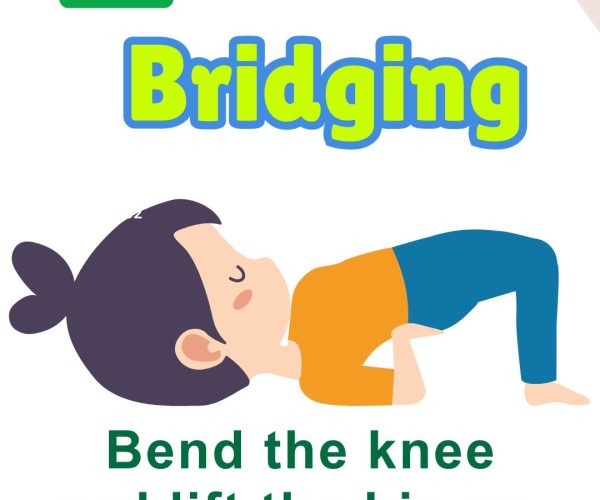
1. Bridging

Steps: Lie on your back with knees bent and feet flat. Slowly lift your hips upward. Hold for 10 seconds, lower back down. Benefits: Improves glute and core strength, reduces stiffness. Who Should Do It: Patients in bed rest or significant mobility limitation.


2. Butterfly Stretch

Steps: Sit or lie down, bring the soles of your feet together, knees out. Gently press knees toward the bed. Benefits: Enhances hip flexibility. Who Should Do It: Those with hip stiffness or reduced pelvic mobility.

3. Side-to-Side Leg Roll

Steps: Lie on your back with knees bent. Gently roll knees side to side. Benefits: Improves trunk rotation and spinal mobility. Who Should Do It: People with trunk stiffness or poor rotational movement.


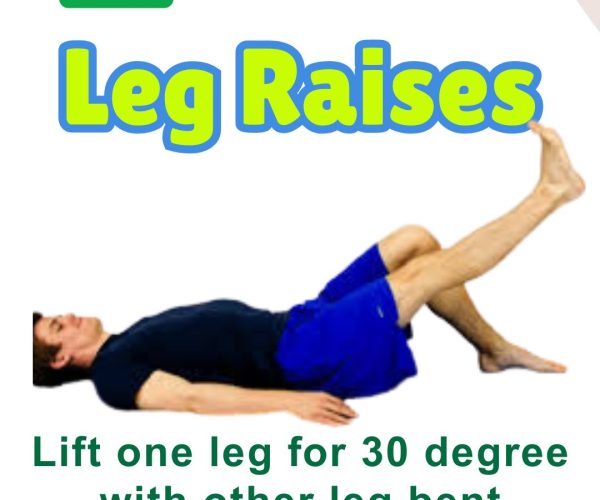
4. Leg Raise

Steps: Keep one leg bent, other straight. Lift straight leg to 30 degrees. Hold, then lower. Benefits: Strengthens quads and core. Who Should Do It: Anyone needing lower limb activation from bed.

💺 Level 2: Chair-Based Exercises

For individuals able to sit upright with or without support.

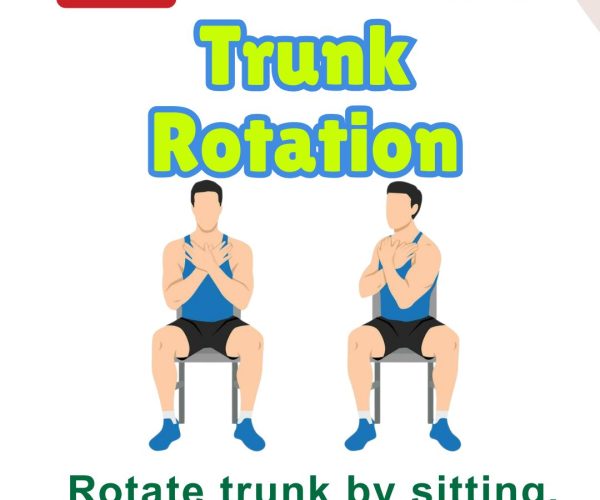
5. Trunk Rotation

Steps: Sit tall, arms crossed over chest. Gently rotate the trunk side to side. Benefits: Improves spinal mobility and trunk control. Who Should Do It: Those beginning seated rehab.

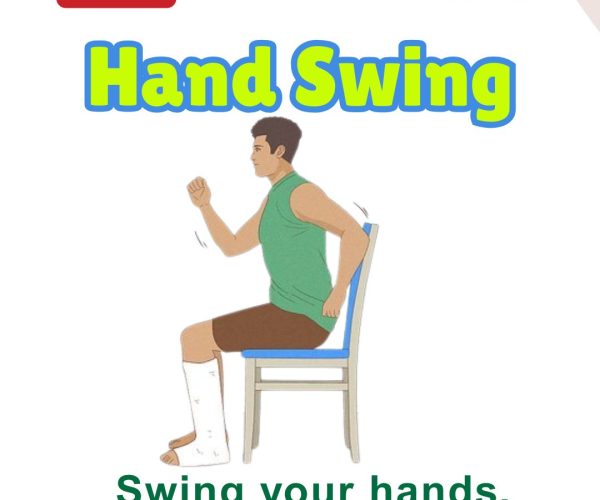
6. Hand Swing

Steps: Sit comfortably. Swing one arm forward and back rhythmically, then switch. Benefits: Promotes upper limb rhythm and arm swing. Who Should Do It: People with freezing or reduced arm movement.

7. Seated Marching

Steps: Lift one knee up at a time in a marching motion while seated. Benefits: Boosts leg coordination and circulation. Who Should Do It: Anyone preparing for standing transitions.

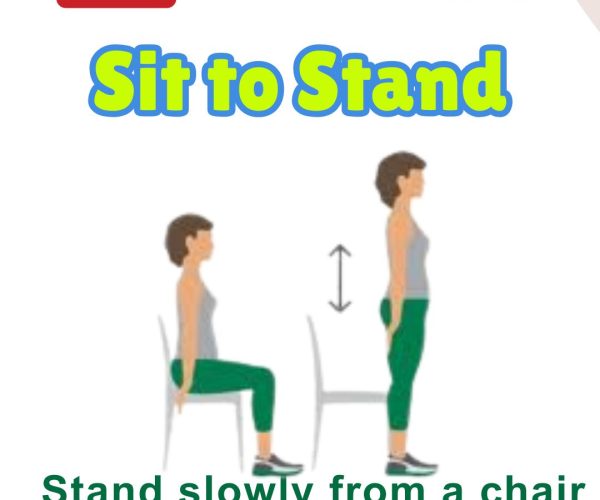
8. Sit to Stand

Steps: From seated position, rise to stand using as little hand support as possible. Benefits: Builds leg strength and functional independence. Who Should Do It: Ideal for improving transition from sitting to standing.

🧶 Level 3: Sit/Stand-Based Exercises

For individuals able to stand with support or partial independence.

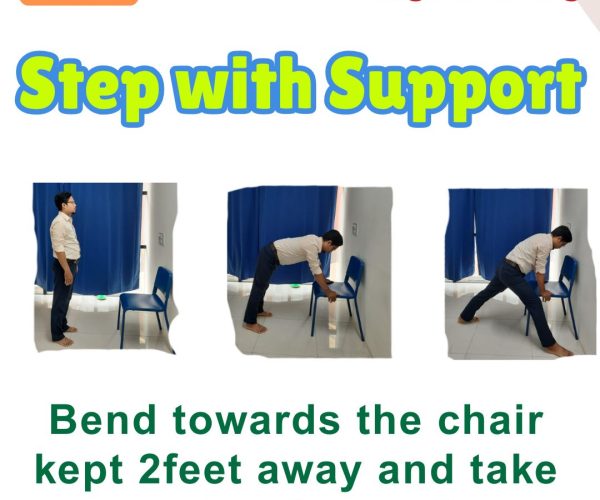
12. Step with Support

Steps: Hold a chair for support. Step forward and back slowly. Benefits: Builds stepping confidence. Who Should Do It: Anyone practicing gait with balance limitations.

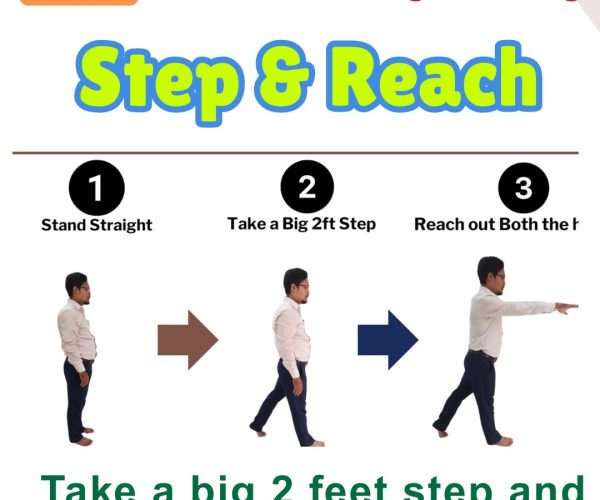
11. Step and Reach

Steps: Take a 2-foot forward step, reaching arms forward. Benefits: Improves stride length and coordination. Who Should Do It: For those retraining functional walking.

10. Side-to-Side Reach

Steps: Stand or sit. Reach one arm to the opposite side, alternating slowly. Benefits: Enhances trunk flexibility and balance. Who Should Do It: Patients working on side stability.

9. Floor to Ceiling Reach

Steps: Start seated or standing. Reach arms down to the floor, then up to the ceiling. Benefits: Encourages full-body range of motion. Who Should Do It: Those with mild movement initiation chall

🏃️ Level 4: Standing and Dynamic Balance Exercises

For individuals with good standing balance or progressing toward full mobility.

15. Rock & Reach

Steps: Stand tall, swing arms sideways and rotate the body. Benefits: Activates large movements, improves balance. Who Should Do It: Great for those practicing functional trunk rotation.

14. Hurdle Crossing

Steps: Step over low objects spaced 1 foot apart (use support if needed). Benefits: Trains high stepping and obstacle avoidance. Who Should Do It: People with reduced foot clearance.

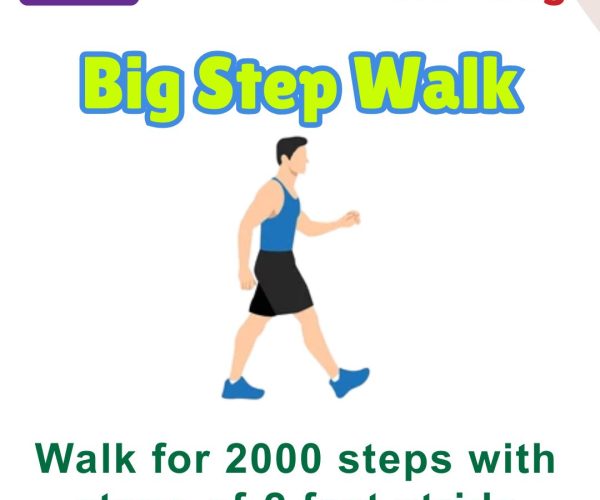
13. Big Step Walk

Steps: Take long, deliberate steps around a room (goal: 2000 steps daily). Benefits: Improves gait and step length. Who Should Do It: Those with shuffling or freezing gait.

16. One Leg Stance

Steps: Stand and lift one leg off the ground. Hold for 10–15 seconds. Alternate. Benefits: Enhances single-leg balance. Who Should Do It: Suitable for fall-prevention and high-level balance training.

Final Notes

Consult your doctor or physiotherapist before starting new exercises.

Modify based on fatigue or stiffness.

Repeat exercises daily or on alternate days based on tolerance.

Patient Videos

READ MORE
Awareness

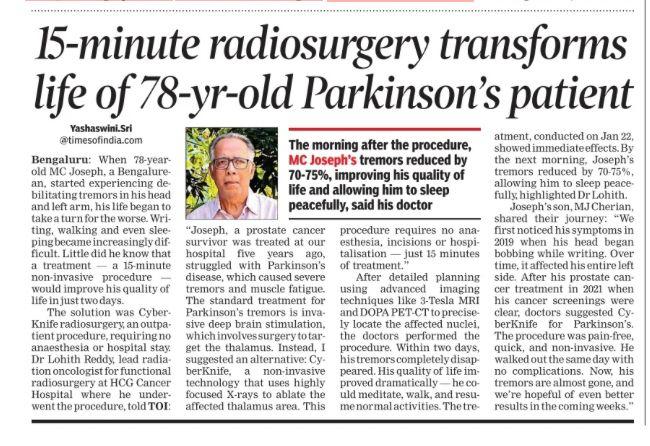
CyberKnife Radiosurgery Explained: Clarifying the 15-Minute Parkinson’s Procedure in the News

A recent news article highlighted a 78-year-old Parkinson’s disease patient whose life reportedly changed after a 15-minute CyberKnife radiosurgery session. Are you wondering how this procedure works, how it compares to other lesioning surgeries, or who might benefit from it?

In this video, we clarify the details behind the headlines (Cyberknife Radiosurgery for Parkinson’s) :

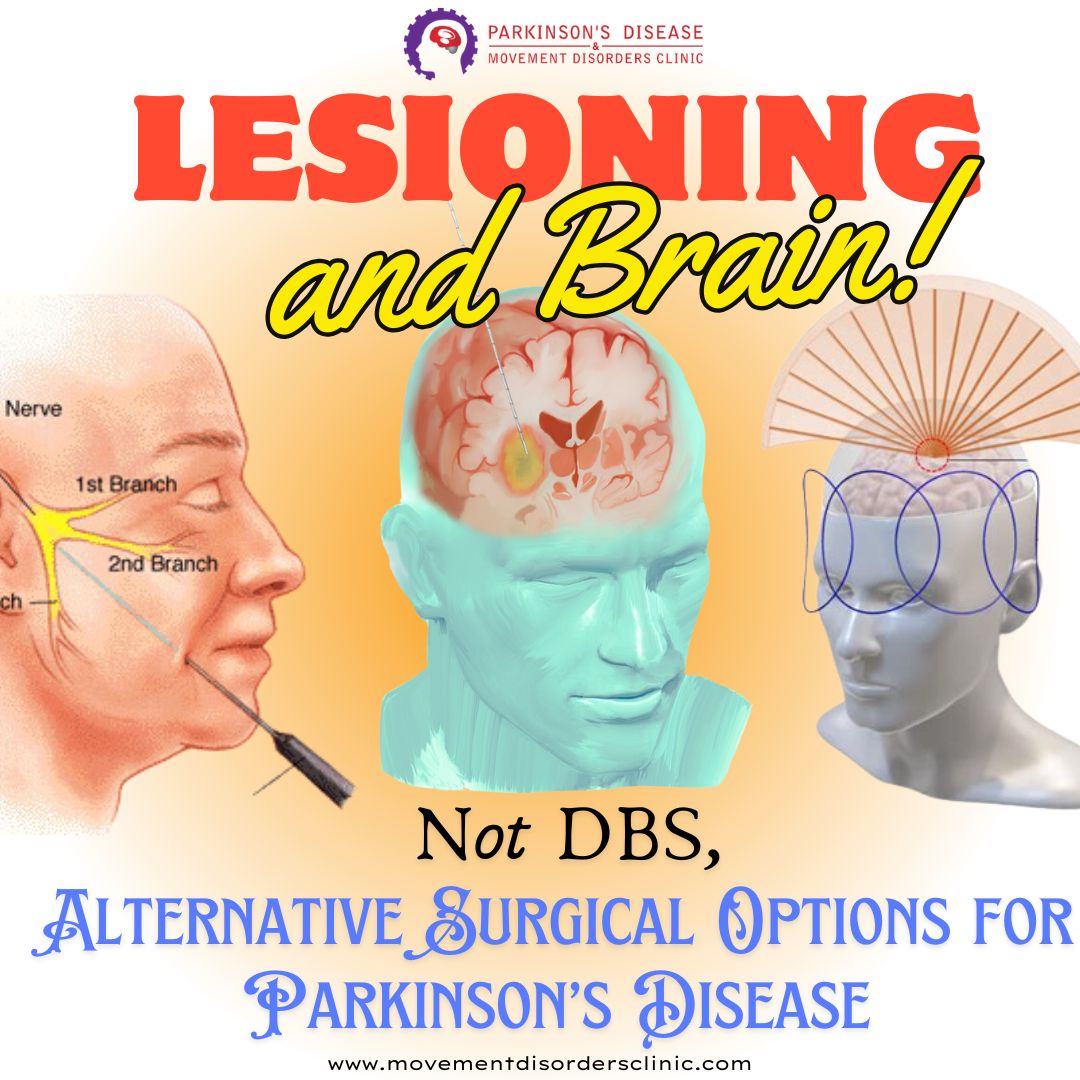
  • What is CyberKnife radiosurgery and what are Lesioning surgeries for the Brain?

    • Understanding this noninvasive, high-precision radiation treatment.
    • Also understanding various types of Brain Lesioning surgeries – Advantages and Limitations
  • How can it help Parkinson’s patients?

    • The mechanism behind targeting specific brain areas to reduce tremor and other movement symptoms.
  • Comparing different lesioning approaches

    • Focused Ultrasound (FUS), Gamma Knife, Radiofrequency ablation, and Deep Brain Stimulation (DBS)—what’s the difference?
  • Important considerations

    • Pros and cons, potential side effects, time to see results, and long-term follow-up.

We created this presentation to answer common questions from patients, caregivers, and anyone curious about newer treatments for Parkinson’s disease. This is not a replacement for medical advice; we encourage you to consult a movement disorder specialist or neurosurgeon to see if radiosurgery is right for you.

1. What Are Lesioning Surgeries?

Lesioning surgeries involve the use of techniques (chemical, radiofrequency, focused ultrasound, or even stereotactic radiosurgery) to create a precisely targeted lesion in a specific brain area thought to be responsible for a particular set of symptoms. By destroying these targeted cells or interrupting pathological circuit activity, symptom relief can often be achieved.

Common Techniques for Creating Lesions

  • Radiofrequency Lesioning: A probe is inserted stereotactically, and high-frequency currents produce heat that destroys the target tissue.
  • Focused Ultrasound (FUS): Uses high-intensity ultrasound waves focused on a specific area in the brain without needing an incision, guided by MRI.
  • Stereotactic Radiosurgery (e.g., Gamma Knife): Uses focused radiation beams to lesion the target gradually.
  • Chemical Lesioning (much less common today): Injecting chemicals that destroy local neurons.

2. Historical Context

  1. Early Psychosurgery (e.g., Lobotomies)

    • In the early to mid-20th century, surgeries like the prefrontal lobotomy were used to treat psychiatric disorders, often with severe and unpredictable side effects. Because of ethical concerns and poor patient outcomes, these procedures largely fell out of favor.
  2. Movement Disorders

    • In the mid-20th century, lesioning of the thalamus (thalamotomy) and the globus pallidus (pallidotomy) became accepted treatments for movement disorders such as Parkinson’s disease.
    • The success of these procedures opened the door to more targeted surgeries, aided by advances in imaging and stereotactic neurosurgical techniques.
  3. Shift to Deep Brain Stimulation (DBS)

    • Starting in the 1990s, DBS began to replace many ablative procedures. Unlike lesioning, DBS uses an implanted electrode to modulate (rather than destroy) the function of specific brain areas. The effect is adjustable and reversible, which is a major advantage over lesioning.

3. Modern Clinical Indications

Today, lesioning surgeries are still performed, though less frequently than DBS. Some of the conditions for which lesioning may be considered include:

  1. Parkinson’s Disease (PD)

    • Pallidotomy: A lesion is made in the globus pallidus internus (GPi) to reduce symptoms such as tremor, rigidity, or dyskinesias.
    • Subthalamotomy: Targets the subthalamic nucleus (STN), primarily to address Parkinsonian tremors and rigidity (though more commonly, STN DBS is performed).
  2. Essential Tremor

    • Thalamotomy (usually the ventral intermediate nucleus, or VIM, of the thalamus) can effectively reduce tremor.
    • Focused Ultrasound Thalamotomy has gained traction as a noninvasive approach for essential tremor, approved in some countries for patients who are DBS-ineligible or prefer a less invasive option.
  3. Dystonia

    • Lesions in the globus pallidus internus or other basal ganglia structures might help reduce dystonic movements, although DBS is again more common.
  4. Obsessive-Compulsive Disorder (OCD)

    • In very severe, treatment-refractory cases, certain focused lesion surgeries (such as cingulotomy) have been tried. However, psychosurgical lesioning is highly regulated and usually considered only after extensive medical and psychological treatment fails.

4. Advantages and Disadvantages

Advantages of Lesioning

  • Simplicity: Once the lesion is created, there is no need for ongoing management of implanted hardware (as with DBS).
  • Cost: Generally less expensive over time than DBS because there is no device and no need for battery replacements or device maintenance.
  • Immediate Effect: The therapeutic effect is often noted relatively quickly once the lesion is made.

Disadvantages of Lesioning

  • Irreversibility: The procedure permanently destroys brain tissue, so if side effects or complications arise, they cannot typically be reversed.
  • Less Flexibility: Unlike DBS, there is no ability to adjust stimulation parameters after surgery.
  • Potential for Larger or Off-Target Lesions: If a lesion extends beyond the intended target, it can cause unwanted side effects.

5. Risks and Complications

As with any brain surgery, risks vary depending on the specific target and method, but can include:

  • Bleeding (Hemorrhage) within the brain.
  • Infection (e.g., at the insertion site in more invasive procedures).
  • Neurological Deficits (weakness, changes in sensation, speech difficulties, vision problems, depending on the area targeted).
  • Cognitive or Behavioral Changes, especially when targeting structures involved in cognition, emotion, or executive function.

The exact risk profile depends on factors like patient health, surgeon experience, and the target location.

6. Contemporary Trends: Focused Ultrasound

One of the more exciting modern developments is MRI-guided focused ultrasound (FUS):

  • Noninvasive: No craniotomy or implanted hardware is required.
  • Real-Time Imaging: The procedure is monitored continuously by MRI, allowing precise adjustment of the focal point.
  • Fewer Side Effects: Because it is highly focused, surrounding tissue remains largely unaffected.
  • Applications: Approved in several countries for medication-refractory essential tremor, and research is ongoing for Parkinsonian tremor, neuropathic pain, and other conditions.

7. Lesioning vs. Deep Brain Stimulation (DBS)

While lesioning surgeries can be effective, DBS has become more popular for conditions such as Parkinson’s disease, essential tremor, and dystonia because:

  • Reversibility: DBS can be turned off, adjusted, or removed if side effects or complications occur.
  • Customizability: Stimulation parameters can be tailored to a patient’s symptoms and updated over time.
  • Bilateral Treatment: In some cases, bilateral lesioning raises higher risk of side effects, whereas DBS can more safely target both sides if needed.

That said, lesioning remains a viable option for certain patients—especially those who might not be good candidates for DBS due to comorbidities, those who cannot manage follow-up programming, or those who want a one-time procedure.


Understanding Different Types of Lesioning Surgery for Brain / Parkinson's Disease / Movement Disorders

1. Radiofrequency (RF) Lesioning

1.1 Methodology

  • Stereotactic Placement: A probe is inserted into the target area using stereotactic imaging (CT/MRI) to guide precise placement.
  • Tissue Destruction via Heat: Once in place, an electrical current at high frequency (radiofrequency) is applied. The heat generated (often around 60–80°C) destroys the targeted tissue.

1.2 Intended Outcomes & Common Indications

  • Movement Disorders: Parkinson’s disease (pallidotomy or subthalamotomy), essential tremor (thalamotomy), dystonia.
  • Neuralgia/Pain Syndromes: Trigeminal neuralgia lesioning of the trigeminal nerve root entry zone.

1.3 Benefits

  • Immediate Effect: Tissue destruction and symptom relief often occur immediately.
  • Relatively Simple and Cost-Effective: No implants or ongoing hardware maintenance are required.

1.4 Risks & Limitations

  • Irreversibility: Because it’s an ablative procedure, any adverse effects (e.g., speech or motor deficits) cannot be undone by turning “off” or removing the lesion.
  • Precision Required: Off-target lesions can lead to neurological deficits.
  • Potential Side Effects: Depending on target, can include weakness, speech difficulties, or other focal deficits.

2. Focused Ultrasound (FUS)

2.1 Methodology

  • High-Intensity Ultrasound Beams: Multiple intersecting beams of ultrasound are focused on a single point in the brain, creating enough heat to ablate tissue.
  • MRI Guidance: The procedure is typically done inside an MRI scanner to allow real-time temperature monitoring and precise localization.

2.2 Intended Outcomes & Common Indications

  • Essential Tremor: FDA-approved in many countries for tremor-dominant cases resistant to medication.
  • Parkinsonian Tremor: Being explored, with increasing evidence of efficacy.
  • Neuropathic Pain & Other Investigational Uses: Research is ongoing in areas like neuropathic pain, OCD, and depression.

2.3 Benefits

  • Noninvasive: No incision or permanent hardware.
  • Real-Time Imaging: MRI allows temperature mapping and precise targeting, reducing accidental damage.
  • Rapid Recovery: Patients often go home the same day with minimal surgical aftercare.

2.4 Risks & Limitations

  • Skull Geometry & Thickness: Not all patients are good candidates because certain skull shapes or densities can deflect or absorb ultrasound energy.
  • Thermal Injury: Off-target heating may occur if alignment is imperfect or due to patient movement.
  • Irreversibility: As with any lesion, the ablated tissue cannot be restored if side effects develop.

3. Stereotactic Radiosurgery (e.g., Gamma Knife)

3.1 Methodology

  • High-Dose Radiation: Concentrated beams of radiation from multiple sources intersect at the target.
  • Stereotactic Frame or Mask: Used to stabilize the head, ensuring accurate alignment for radiation delivery.
  • Gradual Lesion Formation: Tissue destruction happens over weeks to months as radiation disrupts cellular DNA.

3.2 Intended Outcomes & Common Indications

  • Movement Disorders: Thalamotomy for essential tremor or pallidotomy for Parkinson’s in select cases.
  • Neuralgia: Trigeminal neuralgia can be treated by targeting the trigeminal root or the trigeminal nerve ganglion.
  • Tumors & Vascular Malformations: Though not purely ablative for functional disorders, radiosurgery is widely used for benign tumors like meningiomas, schwannomas, and arteriovenous malformations (AVMs).

3.3 Benefits

  • Noninvasive: No open surgery, no hardware implants.
  • Precision: Submillimeter accuracy when properly planned.
  • Applicable to Some “Deep” Lesions: Areas hard to reach by standard surgery can be targeted with minimal risk of infection or bleeding from an incision.

3.4 Risks & Limitations

  • Delayed Onset: Symptom improvement (or lesion formation) may take weeks or months.
  • Radiation Risks: Potential for radiation-induced edema or damage to adjacent structures.
  • Less Fine-Tuning: Once radiation is delivered, you must wait to see the outcome. You cannot “adjust” it the way you might with deep brain stimulation (DBS).

4. Chemical Lesioning

4.1 Methodology

  • Neurotoxic Chemicals: Historically, agents (e.g., alcohol, phenol) were injected stereotactically into targeted brain regions or nerve roots.
  • Destruction of Neurons: The chemicals destroy local tissue, interrupting pathological neural circuits.

4.2 Intended Outcomes & Common Indications

  • Pain Syndromes: Trigeminal neuralgia, other chronic pain conditions, or spasticity in earlier decades.
  • Movement Disorders: Rarely done today for conditions like Parkinson’s disease, given less precision compared to other methods.

4.3 Benefits

  • Simplicity & Low Equipment Need: In settings with fewer resources, chemical lesioning may be an option.

4.4 Risks & Limitations

  • Poorly Controlled Lesion Size: Harder to precisely define lesion boundaries compared to RF or MRI guidance.
  • Potential Spreading: Chemical agents might diffuse unpredictably, damaging unintended areas.
  • Largely Obsolete: Supplanted by more sophisticated and safer approaches (radiofrequency, FUS, DBS).

5. Cryoablation (Cryolesioning)

5.1 Methodology

  • Extreme Cold: A probe is cooled to very low temperatures (e.g., using liquid nitrogen or argon-based systems) to freeze and destroy targeted tissue.
  • Stereotactic Guidance: The probe is placed accurately in the target region.

5.2 Intended Outcomes & Common Indications

  • Historically used for:
    • Movement Disorders (Parkinson’s disease, essential tremor): Cryothalamotomy or cryopallidotomy.
    • Chronic Pain: Some facial pain syndromes or other refractory pain conditions.

5.3 Benefits

  • Reduced Risk of Hemorrhage: Cooling can cause local vasoconstriction, possibly reducing bleeding risk during lesion creation.
  • Potential for Reversible Test Freeze: In some systems, a brief “test freeze” can be done to check for improvement in symptoms before permanently freezing the tissue.

5.4 Risks & Limitations

  • Equipment Complexity: Requires specialized cryosurgery equipment and expertise.
  • Less Common Today: Largely replaced by radiofrequency lesioning and DBS.
  • Irreversibility: As with other ablative methods, side effects are permanent if mis-targeting occurs.

Comparison of Different Lesioning Surgeries

Comparative Summary

Technique Invasiveness Onset of Effect Adjustability Common Uses Key Advantages Key Disadvantages
Radiofrequency (RF) Invasive (Probe) Immediate Not adjustable Parkinson’s (pallidotomy), ET (thalamotomy), trigeminal neuralgia Immediate effect, relatively simple, cost-effective Permanent lesion, requires surgical approach, risks of off-target lesion
Focused Ultrasound Noninvasive (no incision) Near-immediate (during procedure) Not adjustable Essential tremor, investigational for PD tremor & neuropathic pain No incision, real-time MRI guidance, rapid recovery Skull shape limitations, irreversible, potential off-target heating
Radiosurgery (Gamma Knife, etc.) Noninvasive Delayed (weeks/months) Not adjustable Essential tremor (thalamotomy), trigeminal neuralgia, tumors, AVMs No incision, high accuracy, minimal infection risk Delayed effect, radiation risks, irreversible, no real-time feedback
Chemical Lesioning Invasive (Injection) Relatively quick (hours/days) Not adjustable Historically for pain or movement disorders (now rare) Simple (low-tech) approach in resource-limited settings Poor lesion control, outdated, risk of chemical spread
Cryolesioning Invasive (Probe) Immediate after freezing Partially testable (test freeze) Historically for movement disorders, pain (less common now) Potential test freeze, minimal bleeding risk Specialized equipment, largely replaced by RF & DBS

Key Takeaways

Key Takeaways

Irreversibility vs. Reversibility

  • Lesioning procedures permanently destroy tissue. Any undesirable side effects are usually not correctable post-procedure. This contrasts with Deep Brain Stimulation (DBS), which is adjustable and reversible (by turning off or removing the device).

Invasiveness Spectrum

  • Focused Ultrasound (FUS) and Radiosurgery are noninvasive (no incisions).
  • Radiofrequency, Chemical, and Cryo lesioning require insertion of a probe/needle or injection, thus are invasive.

Precision and Side-Effect Profile

  • MRI-guided Focused Ultrasound is performed with real-time imaging, offering excellent precision. Gamma Knife also provides submillimeter accuracy in many cases.
  • Radiofrequency lesioning’s precision depends heavily on intraoperative microelectrode recordings or other physiological mapping.
  • Chemical lesioning is the least precise and the most outdated.

Onset of Therapeutic Effect

  • Radiofrequency, Focused Ultrasound, and Cryo: The therapeutic effect is often observed during or right after the procedure.
  • Radiosurgery: May take weeks or months to see full effect.

Patient Selection

  • Lesioning can be an option for patients who are not good candidates for DBS (due to comorbidities, lack of access to long-term DBS programming, or personal preference against implants).
  • Focused Ultrasound can be ideal for those who desire a “one-and-done,” noninvasive procedure, if the skull geometry is favorable.
  • Radiosurgery is often considered when surgical risk is high (e.g., older patients, bleeding risk), but the delayed onset must be weighed against immediate needs.

Lesioning surgeries span a variety of techniques, each with its own nuances in methodology, outcomes, and risk profiles. While irreversible by nature, they can provide significant symptom relief for movement disorders, pain conditions, and, less commonly, psychiatric disorders (in extremely severe cases). However, modern neurosurgery increasingly leverages Deep Brain Stimulation for reversible and adjustable management, with lesioning reserved for select cases or when DBS is not feasible.

When choosing a lesioning procedure, a thorough evaluation is essential:

  • Clinical Indication & Severity: Parkinson’s disease, essential tremor, dystonia, or refractory pain.
  • Patient Factors: Overall health, ability to tolerate surgery or follow-ups, skull anatomy (for FUS), preference for noninvasive vs. invasive.
  • Long-Term Implications: Understanding that lesioning is not adjustable post-procedure and carries a risk of permanent adverse effects.

Ultimately, the decision to pursue any ablative surgery should involve a multidisciplinary team—neurologists, neurosurgeons, neuropsychologists, and, when appropriate, psychiatrists—to ensure that the approach aligns with the patient’s individual risks, goals, and quality of life considerations.

READ MORE
Awareness

World Parkinson’s Disease Awareness Day 2024

World Parkinson’s Disease Awareness Day Program 2024

Date: April 6th, 2024
Time: 8am to 1 pm (Patient awareness program starts at 10am)
Venue: Centre for Brain Research, Indian Institute of Science, Bangalore

Join Us for a Day of Awareness and Understanding

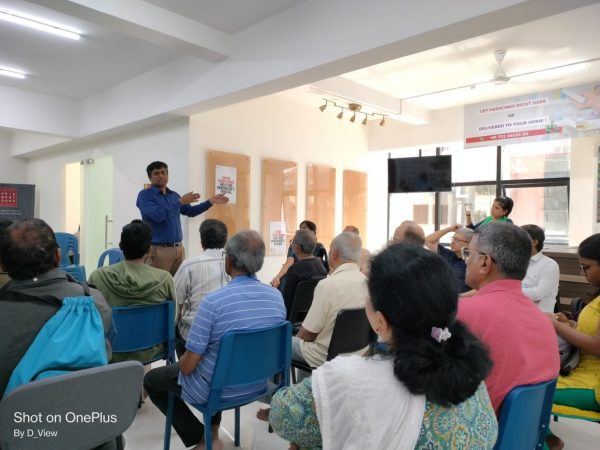
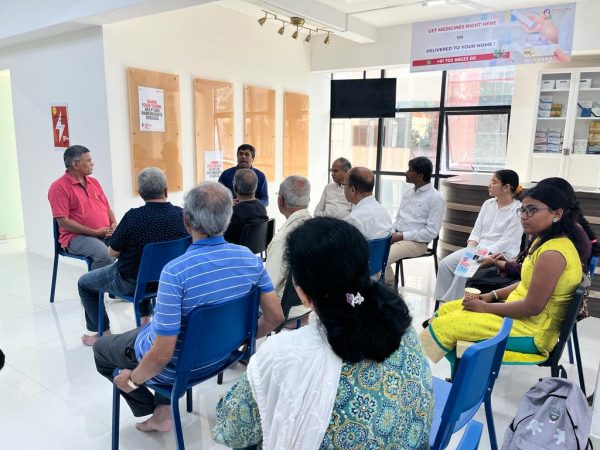
We are thrilled to invite you to the World Parkinson’s Disease Awareness Program (Official World Parkinson’s Disease Day is on April 11th Annually), an enlightening event dedicated to shedding light on Parkinson’s Disease and its impact on individuals and communities. Hosted at the prestigious Centre for Brain Research, Indian Institute of Science, Bangalore, this program promises to be an enriching experience for all.

What to Expect:

– Informative Talks: Delve into the world of Parkinson’s Disease with insightful talks by medical experts. Learn about the latest advancements in research and treatment options.

– Patient Perspectives: Hear firsthand accounts from individuals living with Parkinson’s Disease. Gain valuable insights into their experiences, challenges, and triumphs.

– Panel Discussions: Engage in thought-provoking discussions on various aspects of Parkinson’s Disease. Explore topics ranging from symptom management to caregiver support.

– Networking Opportunities: Connect with fellow attendees, including scientists, researchers, healthcare providers, patients, caregivers, and members of the general public. Share knowledge, experiences, and resources.

Registration:

Participation in the World Parkinson’s Disease Awareness Program is free and open to all. However, registration is required to ensure a seamless experience for everyone. Reserve your spot today by completing the registration form  – https://forms.gle/9JWdeytHFABH1SP6A

Date and Venue:

Mark your calendars for April 6th and join us at the Centre for Brain Research, Indian Institute of Science, Bangalore. Together, let’s raise awareness, foster understanding, and support those affected by Parkinson’s Disease.

Spread the Word:

Help us reach more people by sharing this event with your friends, family, colleagues, and networks. Together, we can make a difference in the lives of individuals living with Parkinson’s Disease.

Contact Us:

For inquiries or further information, please contact – 7026603300 and ask about the program information

We look forward to welcoming you to this impactful event! – World Parkinson’s Disease Awareness Day 2024

www.movementdisordersclinic.com

Register Here

Program Details

Academic session

Time Topic Speaker
07:45 AM – 08:00 AM Registration
08:00 AM – 08: 20 AM Animal Models in Parkinson’s Disease Dr. Latha Diwakar, Centre for Brain Research, Bangalore
08:20 AM – 08:40 AM Biomarkers in Parkinson’s Disease Dr Albert Stezin, Centre for Brain Research, Bangalore
08:40 AM – 09:00 AM Parkinson’s Genetics in India Dr. Shweta Ramdas, Centre for Brain Research Bangalore
09:00 AM – 09:20 AM Autophagy and Movement Disorders Dr. Ravi Manjithaya, Jawaharlal Nehru centre for Advanced Scientific Research, Bangalore
09:20 AM – 09:40 AM Parkinson’s Disease Current Research in India Dr Phalguni Alladi, NIMHANS, Bangalore
09:40 AM – 10:00 AM What can we do in India on Parkinson’s / Neurodegeneration research in near future Dr. Ramprasad VL, Medgenome Labs, Bangalore
10:00 AM – 10:15 AM Coffee Break

Academic Session Video Recording

Patients and Caregiver Session

Time Topic Speaker
10:15 AM – 12:00 PM Patients and Caregivers Session
Current Advances in Therapies for Parkinson’s Dr Anish Mehta Associate ProfessorConsultant NeurologistPDF in Movement Disorders Ramaiah Medical College and Hospitals
What can be the future of PD treatment Dr. Srinivas Raju, Consultant Neurologist, Manipal Hospital Hebbal, Bangalore
Speech and Swallowing Therapy – Role in Parkinson Disease management Dr N Shivashankar Sr. Consultant, Speech Pathology and Audiology, Apollo Specialty Hospital, Jayanagar, Bangalore Adjunct Professor, Nitte Institute of speech and hearing, Mangalore. Retd. Professor and Associate Dean, NIMHANS, Bangalore
Brain Donations and Role in research and therapy Dr. Anita Mahadevan, Prof. & HOD, Neuropathology Department, NIMHANS
CBR and it’s Vision Dr. K V S Hari, Director, Centre for Brain Research, IISc, Bangalore
Panel Discussion – Interactions for research and Patient collaborations Dr. Ravi Muddashetty, Dr. Ravi Manjithya, Dr. Ramprasad VL
12:00 PM – 1:30 PM Patient Experiences
How to cope with Parkinson’s Disease Prof. Mahadevan, IIsc Faculty & PwP
Young onset Parkinson’ disease – How i came over the hurdles Harish Kulkarni, Senior Manager, Capegemini, India & PWP
How to plan yourself when you have Parkinson’s disease Geetha R, Health CoordinatorPeople’s Health Movement National Trainer for Adolescent Health Consultant Women’s and Children’s Health & PwP
Women and Young Onset Parkinson’s Disease Dr Prathima Kadiyala, MRCP(UK) ,Diploma in Dermatology, (UK) General physician and skin care Tirupati & PwP
1:00 PM – 1:30PM Question and Answers
13:30 – 14:00 Lunch and Validection

Patients and General Public Session Video Recording

Speakers

For Scientific Session and Public Awareness Session

Dr Shivashankar

Dr Shivashankar

Dr N Shivashankar
Sr. Consultant, Speech Pathology and Audiology, Apollo Specialty Hospital, Jayanagar, Bangalore
Adjunct Professor, Nitte Institute of speech and hearing, Mangalore.
Retd. Professor and Associate Dean, NIMHANS, Bangalore

Geetha R, PwP & Health Co-ordinator

Geetha R

Geetha R

Health Coordinator

People’s Health Movement

National Trainer for Adolescent Health

ConsultantWomen’s and Children’s Health

Harish Kulkarni, IT professional & PwP

Harish Kulkarni

Harish Kulkarni,

Senior Manager, Capegemini, India

PWP

Dr. Anish Mehta

Dr. Anish Mehta

Dr Anish Mehta
Associate Professor
Consultant Neurologist
PDF in Movement Disorders
Ramaiah Medical College and Hospitals

Dr Latha Diwakar

Dr. Latha Diwakar

Dr Latha Diwakar

Senior Scientific Officer

Centre for Brain Research, IISc, Bangalore.
Dr. Albert Stezin

Dr. Albert Stezin

Dr. Albert Stezin

Scientific officer,

Centre for Brain Research, IISc, Bangalore

Dr. Ramprasad VL

Dr Ramprasad VL

Dr. Ramprasad VL

CEO and Principal Scientist

Medgenome Labs Pvt Ltd, Bangalore, India

Dr Srinivas Raju

Dr Srinivas Raju

Dr Srinivas Raju

Consultant Neurologist,

Manipal Hospital, Hebbal, Bangalore

Dr. Ravi Muddashetty

Dr Ravi Muddashetty

Dr. Ravi Muddashetty

Centre for Brain Research, IISc, Bangalore

Dr Ravi Manjithaya

Dr Ravi Manjithaya

Dr. Ravi Manjithaya

Neurosciences Chair

Jawaharlal Nehru Centre for Advanced Scientific Research (JNCASR)

Bangalore, India

Dr Anita Mahadevan

Dr Anita Mahadevan

Dr Anita Mahadevan

Prof. & Head – Department of Neuropathology,

In-charge – Human Brain Bank, NIMHANS

NIMHANS, Bangalore, India

Dr Prathima Kadiyala, PwP

Dr Prathima Kadiyala

Dr Prathima Kadiyala, PwP

MRCP(UK), Dipoloma in Dermatology,(UK) General physician and skin care

Tirupati & P

Dr Phalguni Alladi

Dr Phalguni Alladi

Dr. Phalguni Alladi

Department of Clinical Psychoparmacology and Neurophysiology

NIMHANS, Bangalore, India

Dr Mahadevan, Pwp

Dr Mahadevan

Dr Mahadevan, Pwp

IISc, Bangalore

Prof. KVS Hari

Prof. KVS Hari

Prof. KVS Hari

Director, Centre for Brain Research, IISc, Bangalore

Event Co-ordinators

Patient / Care Giver / Public co-ordinators: Mr. Rajiv Gupta, Dr. Prathima Kadiyala, Mr. Gokul Casheekar, Dr. Rosy Neupane, Mr. Punit, Mrs. Anjali

Scientific Co-ordinators:  Dr. Ravi Muddashetty, Dr. Ravi Manjithaya, Dr. Prashanth LK, Dr. Guruprasad, Dr. Kuldeep Shetty, Dr. Srinivas Raju

Supported By

Program Recordings

Women and YOPD

YOPD : How to Manage the Hurdles

Women and YOPD : Personal Thoughts

Address by Prof. Hari, Director, Centre for Brain Research

Animal Models in Parkinson's Disease

Women and YOPD

READ MORE
Awareness

Unveiling the Silence: Bridging the Gap in Disclosing Aging-Related Disorders

In the realm of health narratives, there exists a stark contrast between Western societies and the Indian subcontinent ( Parkinson’s disease awareness India celebrity endorsement )when it comes to the openness surrounding aging-related disorders. While the Western world has seen public figures bravely and transparently sharing their battles with conditions like Parkinson’s disease and dementia, a notable silence shrouds a similar dialogue in India. Despite a population of comparable magnitude, individuals who have reached pinnacles in their respective fields often navigate their journeys with aging-related disorders discreetly. This prompts a crucial exploration into the factors contributing to this disparity and begs the question: Why does a culture that thrives on collective strength find it challenging to put a face on aging-related health struggles?

Untangling the Threads: Unraveling the Silence in India

While Western societies have witnessed a surge of notable figures championing the cause of aging-related disorders, one cannot help but notice the conspicuous void in the Indian narrative. Michael J. Fox, the iconic actor, and advocate, boldly embraced his journey with Parkinson’s disease, establishing himself as a global symbol of resilience. His foundation, dedicated to Parkinson’s research, stands as a testament to the transformative power of public disclosure. Similarly, personalities like Glenn Campbell and Terry Jones, facing Alzheimer’s and dementia, have not only shared their personal battles but also actively contributed to awareness and research.

On the flip side, the Indian landscape seems relatively muted in these discussions. The absence of comparable figures taking the lead in initiating conversations around aging-related disorders prompts a crucial question: Is the void a reflection of an actual dearth, or does it point toward the need for a cultural shift, where open dialogue becomes the norm rather than the exception?.

Bridging the Divide: Western Advocacy vs. the Indian Void

In the heart of this disparity lies a complex interplay of cultural nuances, societal expectations, and deeply ingrained norms surrounding privacy. The cultural fabric in India often weaves a narrative of strength, resilience, and reverence for age. Individuals who have attained eminence in their fields may find themselves caught in the dichotomy of upholding these cultural values while confronting the vulnerability that accompanies aging-related disorders. This cultural reticence, coupled with the fear of perceived weakness or an expectation to exude unwavering strength, may contribute to the reluctance in openly sharing health struggles. As we navigate these intricacies, it becomes evident that addressing the silence surrounding aging-related disorders requires not just individual courage but a broader societal shift in perceptions.

Exploring the Silence: Factors Influencing Concealment

The disparity becomes evident when one scans the global landscape, finding Western luminaries openly discussing their encounters with aging-related disorders. Meanwhile, in India, where accomplished individuals wield significant influence, a shroud of secrecy surrounds similar health battles. One might wonder about the underlying factors steering this reluctance. Is it cultural reticence, the fear of perceived vulnerability, or perhaps a deeply ingrained societal expectation of invincibility, especially for those who have reached the zenith of their professions? As we unravel these threads, it becomes essential to examine how cultural norms, societal expectations, and personal privacy intertwine to create an environment where aging-related health struggles often remain hidden.

Empowering Voices: The Ripple Effect of Openness

When individuals with aging-related disorders step into the light and share their narratives, a profound ripple effect occurs. Beyond personal catharsis, these stories have the potential to transform societal perceptions, erode stigma, and ignite a dialogue that resonates with millions facing similar challenges. The power of personal narratives extends beyond individual experiences; it becomes a catalyst for widespread awareness, fostering empathy, and inspiring collective action. Moreover, the impact goes beyond awareness as it lays the foundation for advocacy, research initiatives, and a collaborative effort to reshape how society views and addresses aging-related disorders.

  1. How Can Individuals Open Up?

Individuals with aging-related disorders possess the agency to break the silence. By sharing their stories, they not only embark on a personal journey of empowerment but also contribute to a collective narrative that challenges stereotypes and sparks essential conversations.

  1. What Could Openness Achieve?

The potential benefits of openness are vast. Beyond personal empowerment, openness can reshape societal attitudes, drive awareness, and fuel advocacy efforts. It has the power to inspire research initiatives, facilitate early detection, and ultimately contribute to the global endeavor of finding effective therapies and cures.

Empowering the Future: Merging Ancient Wisdom with Modern Advocacy

As we reflect on the journey toward destigmatizing aging-related disorders in India, it’s essential to draw inspiration from the rich tapestry of the nation’s history. Ancient Indian science, with luminaries like Charaka, Sushruta, and Aryabhata, laid the foundation for significant advancements in medicine and mathematics. The profound knowledge embedded in the Vedas continues to garner acknowledgment and validation.

In the current landscape, where India is making strides in various fields, from technology to healthcare, the potential for transformative impact is immense. The acknowledgement of aging-related disorders by the current generation is not merely a personal disclosure; it is a beacon that can illuminate the path toward collective understanding, awareness, and research.

By aligning with the spirit of ancient Indian knowledge that valued holistic well-being, individuals who choose to openly discuss their aging-related struggles contribute to a legacy of progress. Their stories become integral to a modern narrative that combines the wisdom of the past with the urgency of the present. This isn’t just about personal empowerment; it’s about fostering a cultural shift that values openness and leverages collective strength to address the challenges of aging-related disorders.

In this moment of renaissance, where the importance of mental and physical well-being takes center stage, the current generation in India ( Parkinson’s disease awareness India celebrity endorsement )has the opportunity to be pioneers in fostering a new era of understanding. By creating awareness, supporting research, and sharing personal experiences, individuals can contribute to a global dialogue that transcends cultural boundaries, ultimately benefiting millions in India and beyond.

READ MORE
Awareness

Michael J Fox’s Fight Against Parkinson’s: Supporting Research and Awareness

The documentary “Still: A Michael J. Fox Movie” provides an affecting portrait of the beloved actor and advocate, exploring his personal and professional triumphs and travails, particularly his journey with Parkinson’s disease. The film delves into Fox’s life, from his early career and success in iconic 80s hits like “Back to the Future” and “Family Ties,” to his public revelation of his Parkinson’s diagnosis in 1998, a condition he had kept secret for seven years. The documentary includes dramatic reconstructions, interviews with Fox, and glimpses into his daily life with his family and personal trainer. It portrays Fox as a thoroughly likable man, without self-pity, and highlights his natural upbeat style as a survival mechanism. The film has been praised for its well-balanced and thought-provoking approach, offering a new storytelling format that effectively communicates the heart of Fox’s story, filling the audience with both sadness and hope. The documentary is available for streaming on Apple TV+ and has been nominated for seven Emmy Awards, including Outstanding Documentary

By watching “Still: A Michael J. Fox Movie,” you’ll gain a deeper understanding of the challenges faced by those living with Parkinson’s disease and learn about the ongoing efforts to find a cure. The documentary serves as a powerful reminder of the importance of awareness, research, and support in the fight against this debilitating condition.

“Still: A Michael J. Fox Movie” has received several accolades and awards, including the following:

  1. Critics’ Choice Documentary Awards: The film won five prizes at the Critics’ Choice Documentary Awards, including Best Feature and Best Director.
  2. Other Awards: The documentary also won Outstanding Sound Design and has been recognized for achievement in documentaries.

The film’s success at the Critics’ Choice Documentary Awards and its recognition for various aspects of its production highlight its exceptional quality and impact.

What is Michael J Fox Foundation

The Michael J. Fox Foundation for Parkinson’s Research, founded in 2000 by Michael J. Fox, is dedicated to finding a cure for Parkinson’s disease through an aggressively funded research agenda and ensuring the development of improved therapies for people living with the condition. The foundation has become the largest non-profit funder of Parkinson’s disease research in the world, with more than $1 billion of research projects to date.

Works of the Michael J. Fox Foundation:

  1. Research Funding: The foundation focuses on funding research to find a cure for Parkinson’s disease and develop improved therapies for those affected by the condition.
  2. Clinical Studies: In 2010, the foundation launched the first large-scale clinical study on evolution biomarkers of the disease, which has led to ground breaking research and a better understanding of the condition.
  3. Living with Parkinson’s: The foundation’s online source for information on Parkinson’s disease includes guides for the newly diagnosed and caregivers, stories from people living with the disease, and additional resources.
  4. Awareness and Advocacy: The foundation has raised awareness for Parkinson’s disease through various initiatives, such as the Nike raffle in 2016, which raised $6.75 million for the cause.
  5. Collaboration: The Michael J. Fox Foundation collaborates with other organizations and researchers to advance the understanding and treatment of Parkinson’s disease.

The foundation’s efforts have led to significant progress in Parkinson’s research, including the discovery of a biomarker for the disease, which has increased hope for a cure in the future[2]. Michael J. Fox’s personal journey with Parkinson’s disease and his advocacy work through the foundation have raised awareness and funds for research, making a significant impact on the lives of those affected by the condition.

Apple TV + Documentary source

Click Here to Watch the Full Documentary

READ MORE
Apomorphine Therapy

Myths and Truth About Nanavathi Hospital Parkinson Injection Video

A Video about Parkinson’s disease patient being treated with apomorphine injections at Nanavathi Hospital , Mumbai became an social media craze in early 2019  (well known as Nanavati hospital Parkinson injection ).  The video shows an dramatic improvement, which has made everyone to think that this is a cure for Parkinson’s disease.   Thousands of Parkinson’s disease patients / caregivers thronged hospitals to find out about this therapy.   Even medical fraternity were perplexed about this, and what was being conveyed.    As a medical fraternity, we do know that till now there is NO CURE for parkinson’s disease currently.   There are good treatments available for Parkinson’s disease including medications, injections and surgeries.   Apomorphine is usually used as treatment option in moderately advanced Parkinson’s disease.  The video shows basically an improvement seen after the injections, which could be similar to levodopa tablets or DBS.  What it missed out on telling was this response would last only for about 60-90 minutes and this is only an symptomatic therapy.

As this video is popping up seasonally, this section would give an idea about Apomorphine and remove the myths around it.

Nanavati Hospital Parkinson Injection Video showing dramatic improvement

Dr Prashanth LK responding to Nanavathi Parkinson Injection Video

Facts about Apomorphine Injection Therapy for Parkinson Disease

FAQ about apomorphine injections

What is Apomorphine?

Apomorphine is a medication which is classified under “Dopamine Agonists”.  This means it works towards increasing dopamine levels in the brain. Other medications under this category include Pramipexole, Ropinirole,etc.

Is Apomorphine similar to Morphine and causes addiction?

Apomorphine is derived from Morphine (Apo means “from”). It is produced by combining Morphine with acids like Hydrochloric acid at high temperatures. By this process, Morphine loses all its properties and a complete new chemical is formed. The chemical name of apomorphine is (C17H17NO2) and is significantly similar to Dopamine.

When was Apomorphine discovered? What are the conditions where Apomorphine is used?

Apomorphine was discovered in 1845. Since then it has been used in various medical conditions like :

i. Vomit inducing agent in poisoning patients,

ii. Sleep inducing agent,

iii. Anesthesia,

iv. De-addiction purposes

v. Respiratory distress disorders

vi. Sexual dysfunction

vii. Movement Disorders (Parkinson’sDisease)

How does apomorphine help in Parkinson’s disease?

In Parkinson’s disease patients, there is reduction of the brain chemical – Dopamine. Apomorphine increases the levels of dopamine and hence improvement in Parkinson’s symptoms.

Since when Apomorphine is used in management of Parkinson’s Disease?

The first use of Apomorphine for Parkinson’s disease is around 1935. Since then it has been used in various studies. Its utilization was not prominent in early years due to nausea/ vomiting issues. With introduction of domperidone to reduce the side effects of Apomorphine, in 1970’s apomorphine utilization has dramatically increased and since last 20 years it is one of the options for advanced therapies for Parkinson’s Disease along with Deep Brain Stimulation (DBS) surgery and Levodopa-Carbidopa Intestinal gel (LCIG).

What are the different formulations, in which Apomorphine is available currently?

Apomorphine is primarily marketed in the form of Injections. However, tablet formulations are also available. There are research studies going on for newer delivery methods with better patient adaptation

What is the advantage of Apomorphine injections as compared to oral levodopa tablets used for Parkinson’s Disease?

We all know that as Parkinson’s disease progress, the duration of benefits of oral levodopa tablets start reducing and people will also start to have erratic responses. Sometimes the oral medications does not work or take too long to work as they are not absorbed properly in our gut (Stomach, duodenum). This is due the changes happening in our gut due to progression of Parkinson’s disease. Apomorphine, which is taken in injection formulation, bypassess the stomach absorption and hence its limitations. This bypassing helps to overcome the limitation of medications and gives quick and predictable benefits.

What are Apomorphine Rescue Injections? How long does it take to work and last for?

Apomorphine rescue injections are “emergency injections” which can be carried by patients in their pockets like “Insulin Injection pens”. If at any time, any Parkinson’s disease patient develops severe slowness, he can take subcutaneous injections similar to insulin injections. This apomorphine injection usually starts working within 5-10 minutes and gives quick and predictable relief. This whole beneficial effect lasts for about 60-90 minutes, helping people to tide over acute worsening. Hence called Rescue injections.

What is Apomorphine Pump Therapy?

In advanced Parkinson’s disease, people who are in need of taking medications very frequently and limited by benefits of oral therapy (like ON-OFF phenomenon, dyskinesia) are suggested for advanced Parkinson’s disease therapies. Apomorphine pump therapy is an advanced Parkinson’s disease therapy. It involves slow release of apomorphine throughout the day and hence providing stable, predictable benefits. It is somewhat similar to Insulin Pump therapy used by diabetes patients.

Are Apomorphine Pump therapy available in India?

Yes, currently two different generations of Apomorphine pumps are available in India. These products are in use in India since 2019.  These are supplied by – Rusan Pharamceuticals and Ever Pharma (Celera India)

Can anyone with Parkinson’s Disease take Apomorphine?

Apomorphine is used in specific stages of Parkinson’s disease to get desired benefits and improve quality of life. Your treating doctor would be able to tell whether you would benefit from Apomorphine therapy.

In the initial phase Apomorphine is used to assess whether the givenParkinson’s disease / Parkinsonism patient would be having benefits with levodopa therapy. This is called the “Apomorphine ResponseTest (ART)”.

In mid-phase of Parkinson’s disease, Apomorphine is used as emergency medications to give quick benefits when certain dosages of levodopa are not working due to various causes. This is called as “Rescue Therapy”

In moderately advanced Parkinson’s Disease, Apomorphine is used in continuous injections in the form of “ApomorphinePumpTherapy ” to over come motor fluctuations (ON – OFF phenomenon) and Dyskinesias.

What is an Apomorphine Response Test(ART)?

Apomorphine Response test or ART is a test to see whether your clinical symptoms improve with Apomorphine. This is done as an elective procedure, where in certain blood tests are done prior to testing. You would also be given “domperidone” tablets to reduce the side effects of Apomorphine. During ART, you would be asked to come in the morning without taking any levodopa and you would be assessed by giving different dosages of Apomorphine injections (usually ranging from 1mg to 6mg). The whole process may last from 90mins to 4-5 hours depending on response and side effects. Your treating doctor/team, will explain about this in detail. If there is a good response to ART, then you can be recommended for rescue therapy OR pump therapy as required.

What is Apomorphine Pump Therapy?

Apomorphine Pump therapy involves slow and continuous release of Apomorphine using a small pump, which can be carried in the pocket or sling bag or belt attachment. The continuous slow release of Apomorphine gives a predictable response throughout the day.

This takes away the side effects of excess medications and has the ease of quick adjustments. Usually pump therapy is given for about 10-16 hrs in a waking day period. However, in some cases night time use is also recommended.

What are the advantages of Apomorphine pump therapy in Parkinson’s Disease?

The advantages of Apomorphine pump therapy include:

i. It gives predictable responses

ii. Dosages can be easily modified as required

iii. No upfront cost like in DBS or LCIG gel therapies

iv. It is also used in patients in whom DBS is contraindicated and has shown good consistent benefits.

v. It has beneficial effects on cognitive function and can be used in people who are having mild to moderate cognitive impairment (where DBS is contraindicated)

vi. It is used in patients with resistant axial symptoms (Camptocormia – bending spine posture) with good benefits.

vii. It is also used in patients in whom DBS effects are reducing over the period of time to give add on benefits.

viii. It can be used for resistant Restless legs syndrome

What are the disadvantages of Apomorphine Pump Therapy?

The disadvantages of Apomorphine are similar to that of Levodopa, Pramipexole, Ropinirole etc. Specific disadvantage of Apomorphine pump therapy include:

i. It has to be managed on a daily basis to start and stop. Some patients may require assistance for the same.

ii. Some people are scared of needle pricks, which is a hurdle for utilization.

iii. Some people feel it is clumsy to carry.

iv. Skin injection sites small nodules are formed. Albeit they are temporary and non-concerning, rarely they can get infected causing problems.

v. Some people continue to have disturbing side effects of nausea, vomiting, drowsiness, blood pressure fluctuations in spite of domperidone.

Most of the dropouts in Apomorphine pump therapy have been noted in the first few months due to adaptation required. However once accepted, people have been using it over many years, with consistent benefits.

Are there any studies Indian / International on benefits of Apomorphine therapies?

Apomorphine therapy has been well accepted therapy for Parkinson’s disease for the last 30+ years. This is categorized under advanced therapies for Parkinson’s disease along with DBS and LCIG. There have been many publications on benefits and long term outcomes of Apomorphine therapy from various countries including India. There are guidelines published by International Movement Disorders groups on who should use apomorphine therapies.

Is Apomorphine injections / therapy available everywhere across India?

Theoretically Apomorphine should be available everywhere across India easily. However as this is an advanced therapy and used in a certain set of Parkinson’s Disease, the ease of access is limited to these advanced movement disorders centers in India. Usually you would be guided on how to procure after therapy initiation. Most of the time they are delivered to each patient on a requirement basis, without any major logistical issues. Even during COVID times, the logistics were maintained and even dispatched to patients who were struck abroad due to lockdown.

Where should I contact for Apomorphine pump therapy?

Your treating doctor will be able to guide you to the nearest Parkinson’s Disease center, who specialize in apomorphine therapies. Please speak to your treating Neurologist / Movement Disorders Specialist for further details.

Resources and Further reading

1. Prashanth LK, Jaychandran R, Seetharam R, Iyer RB. Apomorphine: The Initial Indian Experience in Relation to Response Tests and Pumps. Ann Indian Acad Neurol. 2020 Jan-Feb;23(1):20-24. doi: 10.4103/aian.AIAN_428_19. Epub 2019 Dec 19. PMID: 32055117; PMCID: PMC7001430.

2. Kukkle PL, Garg D, Merello M. Continuous Subcutaneous Infusion Delivery of Apomorphine in Parkinson’s Disease: A Systematic Review. Mov Disord Clin Pract. 2023 Jun 26;10(9):1253-1267. doi: 10.1002/mdc3.13810. PMID: 37772305; PMCID: PMC10525070.

3. Metta V, Borgohain R, L Kukkle P, Mridula R, Agarwal P, Kishore A, Goyal V, Chaudhuri R. Subcutaneous apomorphine in advanced Parkinson’s disease and its use in Indian population. Ann Mov Disord 2020;3:145-55

4. Trenkwalder C, Chaudhuri KR, García Ruiz PJ, LeWitt P, Katzenschlager R, Sixel-Döring F, Henriksen T, Sesar Á, Poewe W; Expert Consensus Group for Use of Apomorphine in Parkinson’s Disease, Baker M, Ceballos-Baumann A, Deuschl G, Drapier S, Ebersbach G, Evans A, Fernandez H, Isaacson S, van Laar T, Lees A, Lewis S, Martínez Castrillo JC, Martinez-Martin P, Odin P, O’Sullivan J, Tagaris G, Wenzel K. Expert Consensus Group report on the use of apomorphine in the treatment of Parkinson’s disease–Clinical practice recommendations. Parkinsonism Relat Disord. 2015 Sep;21(9):1023-30. doi: 10.1016/j.parkreldis.2015.06.012. Epub 2015 Jun 17. PMID: 26189414.

5. Jenner P, Katzenschlager R. Apomorphine – pharmacological properties and clinical trials in Parkinson’s disease. Parkinsonism Relat Disord. 2016 Dec;33 Suppl 1:S13-S21. doi: 10.1016/j.parkreldis.2016.12.003. Epub 2016 Dec 13. PMID: 27979722.

6. Todorova A, Ray Chaudhuri K. Subcutaneous apomorphine and non-motor symptoms in Parkinson’s disease. Parkinsonism Relat Disord. 2013 Dec;19(12):1073-8. doi: 10.1016/j.parkreldis.2013.08.012. Epub 2013 Aug 29. PMID: 24051336.

7. Dafsari HS, Martinez-Martin P, Rizos A, Trost M, Dos Santos Ghilardi MG, Reddy P, Sauerbier A, Petry-Schmelzer JN, Kramberger M, Borgemeester RWK, Barbe MT, Ashkan K, Silverdale M, Evans J, Odin P, Fonoff ET, Fink GR, Henriksen T, Ebersbach G, Pirtošek Z, Visser- Vandewalle V, Antonini A, Timmermann L, Ray Chaudhuri K; EUROPAR and the International Parkinson and Movement Disorders Society Non- Motor Parkinson’s Disease Study Group. EuroInf 2: Subthalamic stimulation, apomorphine, and levodopa infusion in Parkinson’s disease. Mov Disord. 2019 Mar;34(3):353-365. doi: 10.1002/mds.27626. Epub 2019 Feb 4. PMID: 30719763.

8. Fernández-Pajarín G, Sesar Á, Ares B, Castro A. Evaluating the Efficacy of Nocturnal Continuous Subcutaneous Apomorphine Infusion in Sleep Disorders in Advanced Parkinson’s Disease: The APO-NIGHT Study. J Parkinsons Dis. 2016 Oct 19;6(4):787-792. doi: 10.3233/JPD-160886. PMID: 27662329.

9. Sesar Á, Fernández-Pajarín G, Ares B, Rivas MT, Castro A. Continuous subcutaneous apomorphine infusion in advanced Parkinson’s disease: 10-year experience with 230 patients. J Neurol. 2017 May;264(5):946-954. doi: 10.1007/s00415-017-8477-0. Epub 2017 Mar 31. PMID: 28364292.

10. Borgemeester RWK, van Laar T. Continuous subcutaneous apomorphine infusion in Parkinson’s disease patients with cognitive dysfunction: A retrospective long-term follow-up study. Parkinsonism Relat Disord. 2017 Dec;45:33-38. doi: 10.1016/j.parkreldis.2017.09.025. Epub 2017 Sep 29. PMID: 29032012.

11. Sesar Á, Fernández-Pajarín G, Ares B, Relova JL, Arán E, Rivas MT, Gelabert-González M, Castro A. Continuous subcutaneous apomorphine in advanced Parkinson’s disease patients treated with deep brain stimulation. J Neurol. 2019 Mar;266(3):659-666. doi: 10.1007/s00415-019-09184-5. Epub 2019 Jan 7. PMID: 30617907.

12. Menšíková K, Kaiserová M, Vaštík M, Nevrlý M, Kurčová S, Kaňovský P, Colosimo C. The long-term effect of continuous subcutaneous apomorphine infusions on camptocormia in Parkinson’s disease. Parkinsonism Relat Disord. 2020 Jun;75:14-16. doi: 10.1016/j.parkreldis.2020.05.015. Epub 2020 May 12. PMID: 32442812

Overall this Nanavati Hospital Parkinson injection video has been impressive in creating awareness about treatment options for people with Parkinson’s disease.   Many people have equated Nanavati Hospital Parkinson injection video to be synonymous with cure for Parkinson’s disease, which is a misinterpretation of the video circulated, leading to lot of myths associated around this therapy.  We hope our blog on Nanavati hospital Parkinson injection video gives an open insight into the indications, uses and limitations of this therapy and breaks down into some of the myths which are being interpreted from this video.

READ MORE
Awareness

Navigating Choices: Factors Influencing Deep Brain Stimulation (DBS) Surgery Decisions in Developing Countries – India

What factors contribute to the significant difference in the rate of Deep Brain Stimulation (DBS) surgery for Parkinson’s Disease (PD) between developed and developing countries?  What influences the decision of patients with PD in the developing world to opt for or against Deep Brain Stimulation (DBS) surgery? What are the primary barriers hindering a larger proportion of eligible PD patients in the developing world from undergoing Deep Brain Stimulation (DBS) surgery?  These questions have been addressed in a recently published medical paper from India in the medical journal – Movement Disorders in Clinical Practice.   Let’s see what we as a general population can understand from this article.

Deep Brain Stimulation (DBS) Surgery for Parkinson’s Disease – The Developing World’s (India) Perspective:

  • Study focused on patients with Parkinson’s disease (PD) and motor complications in developing countries (India) spanned over 5 year period (2016-2020) involving 1017 Parkinson’s Disease patients.
  • Among 1017 Parkinson’s Disease people, 223 patients met the medical criteria for consideration of Deep Brain Stimulation (DBS) surgery.
  • Among 223 medically indicated for DBS surgery, Only 35% (78 patients) patients opted for DBS surgery.
  • Among these 78 Patients who opted for surgery, 37 patients were found to be unfit for DBS surgery during the Pre-operative workup and only 41 patients finally underwent DBS Surgery.
  • So in brief, in 1017 patients with Parkinson’s Disease, roughly 22% met the clinical criteria for DBS surgery.  From the whole cohort, 7% opted for DBS surgery and among them, only about 4% were deemed fit and underwent the procedure.

Let’s see what factor played a role in decision making for Deep Brain stimulation Surgery in these patients in India.

Characteristics of Patients Opting for DBS Surgery:

Demographics:

  • Older age: Patients choosing DBS were generally older.
  • Higher socioeconomic status: Those opting for surgery had a higher socioeconomic status.

Disease Duration and Motor Complications:

  • Longer duration of PD: Patients choosing DBS had PD for a longer period.
  • Longer duration of motor fluctuations: Opted-for surgery patients experienced motor fluctuations for an extended time.

Motor Symptoms:

  • More severe motor disability in the OFF state: Severity of motor disability was higher in surgery-opting patients when not on medication.
  • More severe freezing of gait in the OFF state: Patients choosing DBS experienced more severe freezing of gait without medication.

Psychiatric and Cognitive Symptoms:

  • History of hallucinations and psychotic symptoms: Opted-for surgery patients had a higher incidence of these symptoms.
  • Higher burden of cognitive symptoms: Prevalence of cognitive dysfunction was higher in surgery-opting patients.

Correlation Between Socioeconomic Status and Surgical Decisions:

  • Correlation found between higher socioeconomic status and the willingness to undergo DBS surgery.
  • Almost 40% of patients opting for medical management cited financial constraints.

Barriers to DBS Surgery:

Reasons for Not Undergoing Surgery:

  • Financial constraints: 39.3% cited financial limitations.
  • Concerns about risks and complications: 13.1% were hesitant due to surgical concerns.
  • Lack of conviction about benefits: 9% were not convinced about expected benefits.
  • Inadequate family support: 6.9% lacked sufficient family support.

Consideration for Future DBS Surgery:

  • 31.7% of patients opting for medical management kept DBS as an option for future consideration.

Comparison with Western Populations:

  • Difference in DBS surgery rates between Western and developing countries.
  • In India, limited access, insurance coverage, and socioeconomic factors contribute to the low rate (35%).
  • Western countries, with comprehensive health coverage, may have higher rates, but concerns about efficacy and safety still influence decisions.

Conclusion:

  • Understanding the complex interplay of socioeconomic, medical, and personal factors crucial for making informed decisions about Deep Brain Stimulation (DBS) surgery in developing countries.
  • Financial constraints, limited insurance, and familial support emerged as significant barriers.
  • Future research and policy considerations should address these barriers to ensure equitable access to DBS surgery in developing regions.
READ MORE
Awareness

World Movement Disorders Day Awareness Program: Sharing Personal Experiences

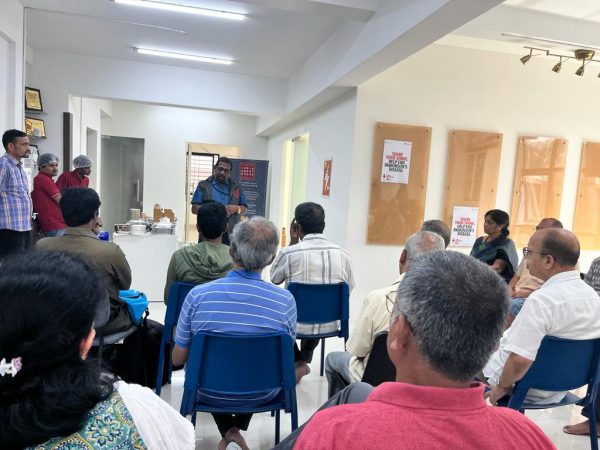
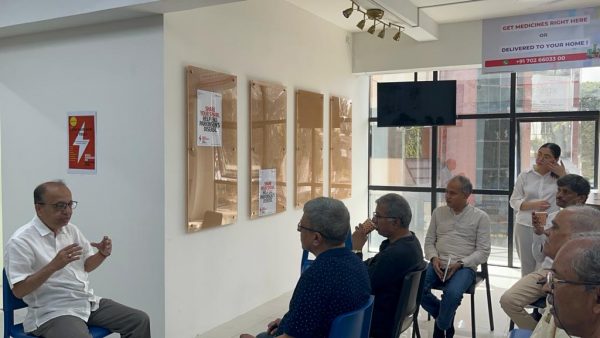
The World Movement Disorders Day Awareness Program was recently conducted at the Parkinson’s Disease and Movement Disorders Clinic in Bangalore on 29th November 2023. The event was a great success, featuring talks by people with various movement disorders who shared their personal experiences, as well as researchers in the field of neurodegeneration and genetics from the Center for Brain Research, IISC, and Raj Rajeswari Medical Colleges.

The talks covered a wide range of topics, including Hemifacial spasm, focal dystonia, writer’s cramp, blepharospasm, Wilson’s disease, Young onset Parkinson’s disease, couples with Parkinson’s disease, Apomorphine infusion therapy, Deep brain stimulation therapy, uses of liquid levodopa, and botulinum toxin therapy. The event was a great opportunity for people to interact with each other, share their experiences, and learn more about these conditions and the latest treatments available.
The event was a great success, and we hope to continue to raise awareness about movement disorders and provide support to those who are affected by them. If you or someone you know is living with a movement disorder, we encourage you to reach out to us for more information and support.
image
image
image
image
image
image
image
image
image

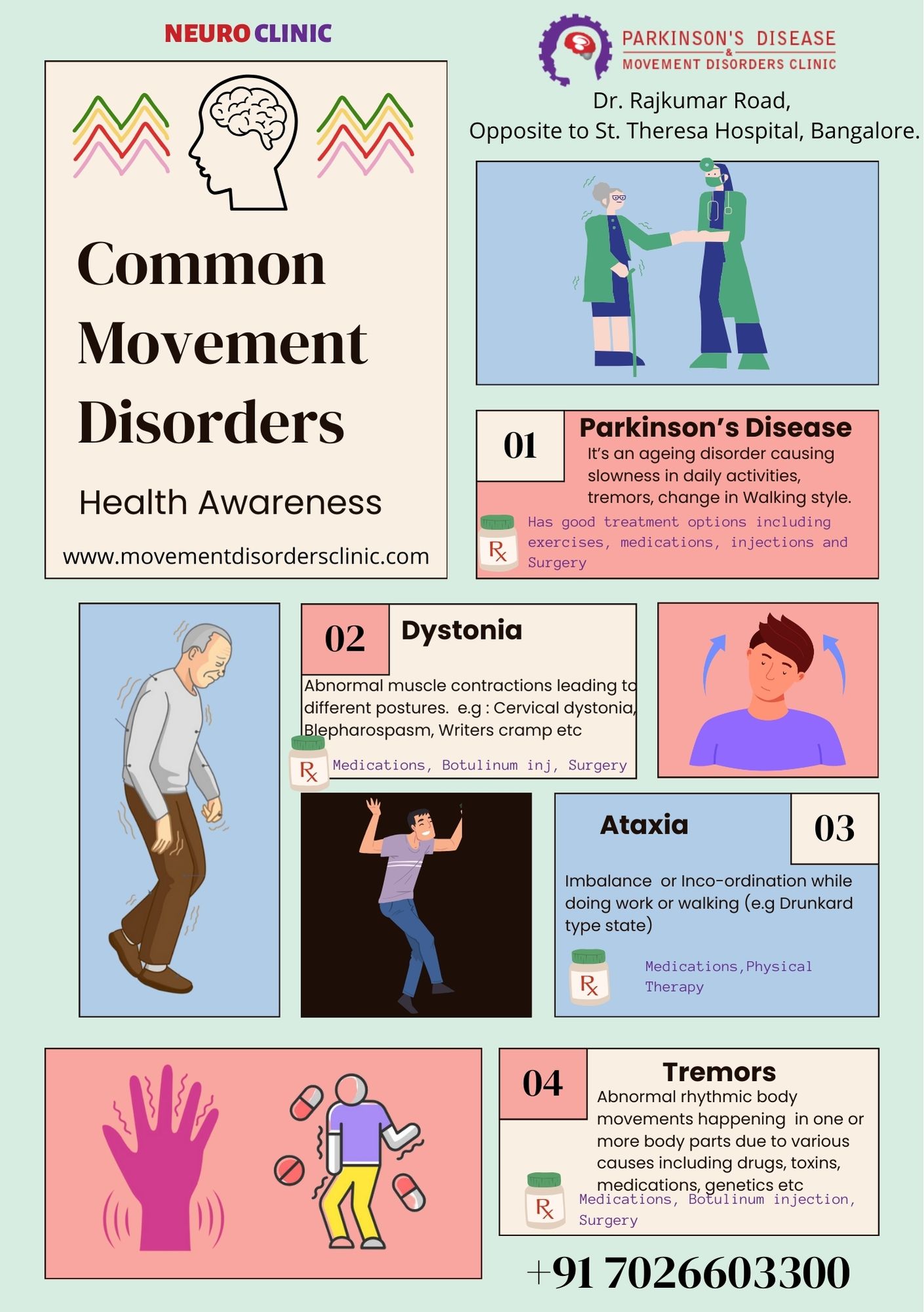
Lets understand a few of the movement disorders on this occasion :

1. Ataxia:
Ataxia is a neurological disorder characterized by a lack of coordination and unsteady movements. It affects the voluntary muscle movements, leading to difficulties in walking, speaking, and performing fine motor tasks. Ataxia can result from various causes, including genetic factors, head trauma, or damage to the cerebellum.

2. Hemifacial Spasm:
Hemifacial spasm is a condition characterized by involuntary contractions or spasms on one side of the face. These spasms are often caused by compression of the facial nerve, leading to twitching or blinking movements. While typically not life-threatening, hemifacial spasm can significantly impact a person’s quality of life.

3. Dystonia:
Dystonia is a movement disorder characterized by sustained or repetitive muscle contractions, resulting in abnormal postures or twisting movements. It can affect one specific part of the body or be more widespread. Dystonia may be genetic or caused by trauma, certain medications, or other neurological conditions.

4. Writer’s Cramp:
Writer’s cramp is a type of dystonia that specifically affects the muscles used for writing or fine motor skills. Individuals with this condition may experience difficulty in gripping a pen or pencil, leading to pain and impaired writing ability. It can be triggered by prolonged periods of writing or repetitive hand movements.

5. Parkinson’s Disease:
Parkinson’s disease is a progressive neurodegenerative disorder that primarily affects movement. It is characterized by tremors, stiffness, bradykinesia (slowness of movement), and postural instability. The disease results from a loss of dopamine-producing cells in the brain. While there is no cure, various medications and therapies can help manage symptoms.

6. Botulinum Toxin for Movement Disorders:
Botulinum toxin, commonly known as Botox, is used as a therapeutic treatment for certain movement disorders, including dystonia and hemifacial spasm. It works by temporarily paralyzing or weakening specific muscles, alleviating involuntary movements and improving overall function. Botox injections are typically administered by a qualified healthcare professional.

7. Role of Physical Therapy for Movement Disorders:
Physical therapy plays a vital role in managing movement disorders by addressing mobility issues, improving muscle strength, and enhancing overall motor function. Therapists work with individuals to develop personalized exercise programs, focusing on balance, coordination, and flexibility. Physical therapy can be particularly beneficial in the comprehensive care of individuals with movement disorders like Parkinson’s disease, helping to maintain independence and improve the quality of life.

READ MORE
What are common movement disorders - Parkinson, dystonia, ataxia, tremrosAwareness

World Movement Disorders Day – Understanding Movement Disorders

World Movement Disorders Day is observed on November 29th to raise awareness about various movement disorders. The Movement Disorder Society has initiated this day to increase education and understanding of these complex neurological diseases. Movement disorders encompass a range of conditions, including Parkinson’s disease, dystonia, tremor, restless legs, chorea, and myoclonus. These disorders can affect a person’s ability to control their movements, leading to symptoms such as tremors, stiffness, and involuntary movements.

What are common movement disorders - Parkinson, dystonia, ataxia, tremros

The International Parkinson and Movement Disorder Society (MDS) has organized virtual events and an educational social media campaign to mark this day. The aim is to connect healthcare professionals, patients, and the general public to specialists who have the knowledge to provide proper diagnosis and management for these conditions. The MDS encourages global partners, healthcare professionals, and patients to participate in raising awareness by using the hashtag #MoveDisorder on social media.

To illustrate the significance of this day, the Movement Disorder Society has highlighted the need for increased awareness and support for research in this field. For instance, the Movement Disorders Specialists of India have formed a consortium to address specific issues related to movement disorders and are collaborating with other fields to find solutions tailored to the Indian community[5].

Research in the field of movement disorders is crucial for understanding the underlying causes of these conditions and developing effective treatments. By increasing awareness and support for research, it is possible to improve care and outcomes for patients worldwide. The global awareness initiative also provides a platform for those struggling with movement disorders to have a voice and seek the specialized care they need[4].

Daily recommendations for Parkinson's Disease

In conclusion, World Movement Disorders Awareness Day serves as an opportunity to educate the public about the various movement disorders and the challenges faced by individuals living with these conditions. Through increased awareness, education, and support for research, it is possible to improve the lives of those affected by movement disorders and advance the understanding and treatment of these complex neurological diseases.

Citations:
[1] https://neurologyacademy.org/articles/first-ever-world-movement-disorders-day
[2] https://www.prweb.com/releases/announcing-first-ever-world-movement-disorders-day-to-be-observed-november-29-2022-842458991.html
[3] https://www.prweb.com/releases/events_will_recognize_first_ever_world_movement_disorders_day_on_november_29_2022/prweb19033042.htm
[4] https://www.movementdisorders.org/MDS/Moving-Along/2023-issue-1/First-World-Movement-Disorders-Day.htm
[5] https://www.movementdisordersclinic.com/world-movement-disorders-day/

READ MORE